


This comprehensive guide offers practical tips, insider recommendations, and inspiring examples of sustainable culinary travel around the globe. Whether you dream of harvesting olives on sun-kissed Italian hillsides, sampling seasonal vegan kaiseki in serene Japanese gardens, or learning about native maize varieties in vibrant Mexican markets, you’ll discover strategies to minimize your carbon footprint and maximize your cultural immersion. Let’s embark on a journey toward more mindful, rewarding, and truly sustainable culinary travel experiences.
The Importance of Sustainable Culinary Travel
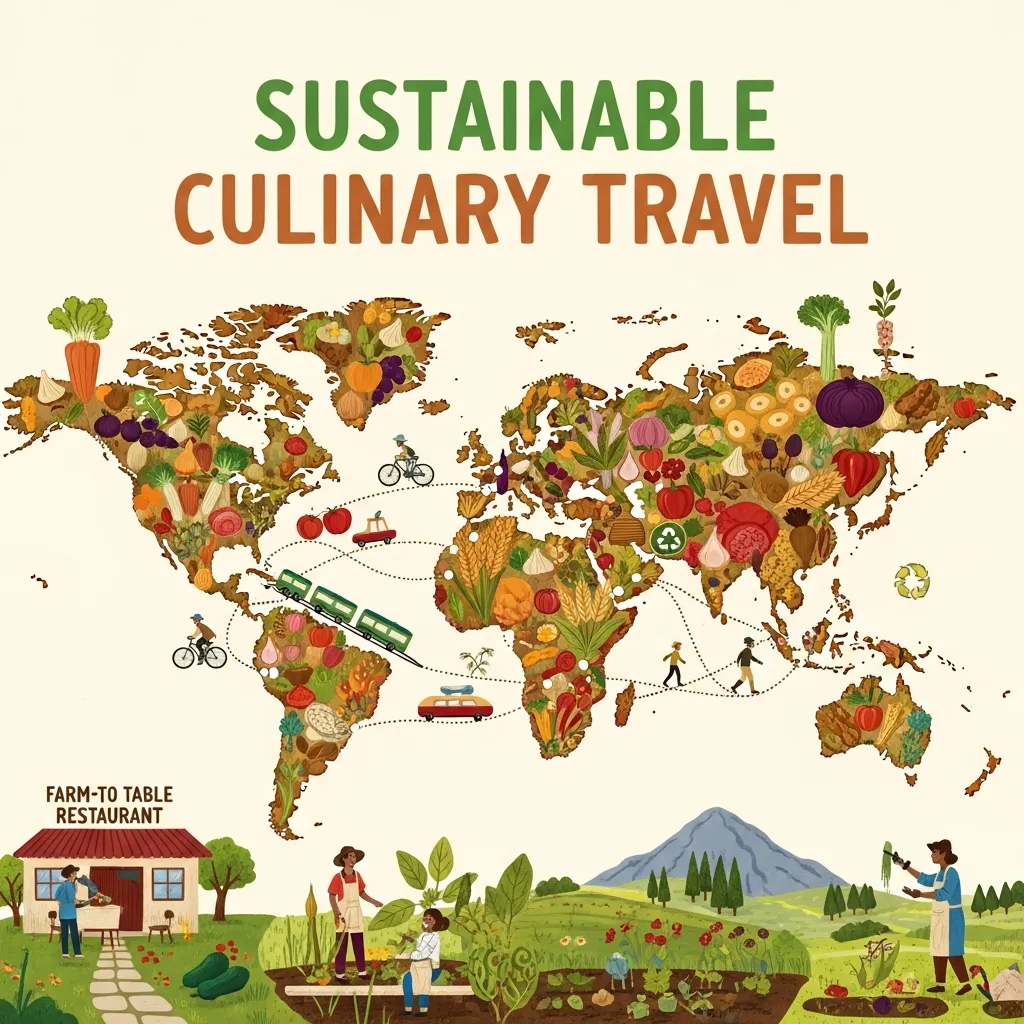
Integrating responsible dining into your travel itinerary transforms routine vacations into impactful journeys. Sustainable culinary travel fosters direct partnerships with local farmers, artisans, and cooperatives, ensuring that your dining choices generate fair income and promote ethical labor. When you choose establishments that prioritize regenerative agriculture, organic produce, or traditional fishing methods, you actively reduce the environmental strain often associated with mass tourism. In addition, engaging with chefs and producers who practice soil regeneration and water conservation techniques supports long-term food security and ecological balance. This collaborative approach creates a ripple effect, inspiring hosts and visitors alike to adopt greener habits in today’s interconnected world.
Supporting Local Economies and Producers
One of the most immediate benefits of sustainable culinary travel is empowering small-scale farmers and craftspeople. By dining at restaurants sourcing ingredients from nearby fields or ranches, you help local businesses thrive. For example, many agriturismos in Tuscany implement permaculture principles to maintain soil fertility and manage compost, while cooperatives in Oaxaca preserve heirloom corn varieties through community seed banks. These initiatives not only safeguard traditional knowledge but also reinforce economic resilience by keeping financial resources within the region. According to research from the Harvard T.H. Chan School of Public Health, community-supported agricultural models can boost rural employment and improve regional health outcomes.
Preserving Biodiversity and Cultural Heritage
Sustainable culinary travel goes beyond taste profiles; it celebrates biological diversity and ancestral foodways that have endured for generations. Regions rich in endemic species or ancient cultivation practices face threats from industrial farming and monoculture expansion. Travelers who prioritize menus featuring seasonal, locally grown produce encourage restaurants and markets to maintain crop diversity and protect fragile ecosystems. Engaging in farm tours, botanical foraging excursions, or field-to-fork dinners allows you to witness the intricate relationships between plants, animals, and people. This immersive learning not only deepens your appreciation for global gastronomy but also motivates conservation efforts as you return home and share your experiences.
Moreover, sustainable culinary travel cultivates cultural exchange by highlighting indigenous techniques and ancestral recipes that shape regional identities. Participating in hands-on cooking workshops, you’ll learn how traditional fermentation, sun-dried preservation, or wild herb utilization has sustained communities through changing climates. These interactive experiences deepen mutual respect and awareness, bridging gaps between visitors and hosts. By advocating for fair-trade seafood certifications or promoting plant-forward menus in urban cafés, you become an ambassador for responsible tourism. Ultimately, every thoughtfully chosen meal contributes to a collective commitment to nurture both human communities and the natural world. Drawing on research from institutions such as the Food and Agriculture Organization and insights from the U.S. Environmental Protection Agency, this article will empower you to plan eco-conscious food adventures that honor people and planet.
Top Destinations for Sustainable Culinary Travel

Tuscany, Italy: Farm-to-Table Traditions
Tuscany’s rolling hills and golden olive groves provide an idyllic setting for sustainable culinary travel. Agriturismos throughout the region adhere to organic farming standards, offering hands-on olive pressing, grape harvesting, and vegetable tending workshops. Guests can enjoy multi-course dinners prepared with ingredients harvested the same day, paired with biodynamic wines that honor terroir and seasonality. Many estates have eliminated single-use plastics and implemented rainwater harvesting systems, showcasing how heritage properties can adopt modern green technology without sacrificing charm.
Kyoto, Japan: Seasonal and Vegan Cuisine
In Kyoto, centuries-old temples and lush bamboo forests inspire kaiseki meals that follow the four seasons, highlighting foraged mountain greens, locally brewed soy sauce, and rice polished just before cooking. Vegan temple fare, known as shojin ryori, exemplifies mindful eating by excluding all animal products and emphasizing balance. Participating in traditional tea ceremonies or visiting sake breweries that utilize eco-friendly fermentation methods allows travelers to gain insight into Japan’s holistic approach to food and sustainability.
Oaxaca, Mexico: Maize Diversity and Community Workshops
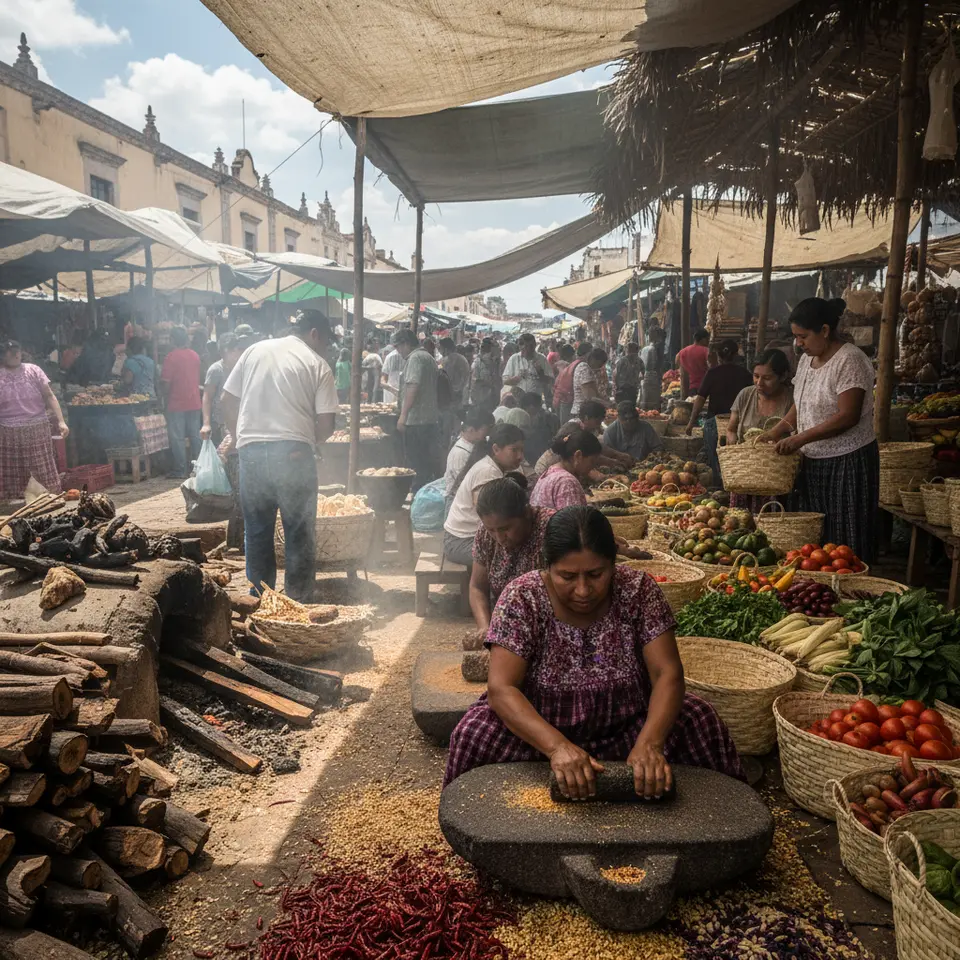
Often hailed as Mexico’s gastronomic heart, Oaxaca celebrates the cultural importance of maize, chiles, and heirloom beans. Travelers can join cooperatively led cooking classes that teach the art of mole preparation, from grinding chiles over volcanic stone to sourcing cacao from local agroforestry systems. Mezcal distilleries across the region use ancestral methods that recycle agave fibers as biofuel, while plastic-free markets offer vendors the opportunity to pack produce in reusable baskets. This blend of tradition and environmental stewardship makes Oaxaca a standout for sustainable culinary travel.
Wellington, New Zealand: Zero-Waste Urban Farming
Wellington’s vibrant food scene reflects a commitment to zero-waste principles and regenerative agriculture. Urban farms supply farm-to-fork restaurants, while seafood cooperatives operate under strict quotas to protect local fish stocks. Cafés in this coastal capital feature menus that rotate based on daily harvests, and many establishments participate in municipal composting programs. By exploring farmers’ markets and seaside fish sheds, sustainable culinary travel enthusiasts encounter firsthand how innovative urban planning and food policy can support ecological resilience.
Whether you seek rustic wine estates in Europe, meditative tea rituals in Asia, regional spice celebrations in Latin America, or eco-conscious cafés in Oceania, these destinations illustrate the diverse possibilities of sustainable culinary travel. Each locale offers unique chances to taste, learn, and connect in ways that honor local heritage and environmental stewardship.
Planning and Preparation for Eco-Conscious Food Journeys
Embarking on sustainable culinary travel requires thoughtful planning to ensure your journey aligns with the values of environmental stewardship and cultural respect. Start by researching local food policies and certification programs that verify organic production, wildlife protection, or fair-trade practices. Websites maintained by government agencies and academic institutions can provide valuable data on sustainable gastronomy efforts in different regions. For example, referring to guidelines from the U.S. Department of Agriculture can help clarify labeling standards, while university extension programs offer region-specific advice on seasonal availability and ethical sourcing this year.
- Choose sustainable accommodations: Seek hotels or homestays with eco-certifications, such as Green Key or LEED, that demonstrate commitments to energy efficiency, waste reduction, and local sourcing. Many properties feature on-site gardens, composting infrastructure, and solar panels.
- Opt for eco-friendly transportation: When possible, travel by train, bus, or electric vehicle to minimize carbon emissions. In urban centers, consider biking or walking to local markets and restaurants to deepen your immersion in community life.
- Engage in community initiatives: Volunteer at urban farms, participate in harvest festivals, or attend sustainability workshops led by nonprofit organizations and research institutions. These activities foster connections and enrich your appreciation for regional agroecology.
- Plan seasonal itineraries: Align your trip with harvest periods—such as olive picking in the Mediterranean, maple tapping in North America, or berry foraging in Scandinavian woodlands—to experience peak flavors and maximize local impact.
- Pack sustainable essentials: Bring a reusable water bottle with filter, stainless steel utensils, cloth produce bags, and a compact spice kit. Limiting single-use plastics reduces your ecological footprint and sets a positive example for fellow travelers.
- Learn local food customs: Familiarize yourself with cultural norms, portion etiquette, and dietary restrictions to show respect for traditions and avoid inadvertently causing waste or offense.
By taking these preparatory steps, you position yourself to fully embrace sustainable culinary travel without unintended environmental or social costs. Thoughtful planning bridges the gap between inspiration and action, ensuring every meal contributes positively to the destinations you cherish.
Responsible Dining Practices on the Road
Once you arrive at your destination, adopting mindful dining habits is essential to uphold the principles of sustainable culinary travel. Eat with intention by considering each dish’s origin, preparation methods, and seasonality. This approach not only enriches your gastronomic knowledge but also supports businesses that prioritize fair wages, reduced waste, and ecological harmony. In the context of fast-evolving food landscapes, making conscious choices empowers local innovators to expand green practices and improve the overall sustainability of tourism in today’s interconnected economies.
Every dining decision you make while exploring new cuisines has the potential to influence local supply chains and conservation priorities. By consistently choosing options that align with your values, you help shape more resilient food systems across the globe.
- Favor plant-forward dishes: Reducing meat consumption can significantly lower greenhouse gas emissions associated with food production. Seek out regional specialties that feature legumes, grains, and seasonal vegetables.
- Ask about sourcing: Inquire whether ingredients are locally grown, organic, or wild-harvested. Chefs passionate about sustainability often welcome these questions and are eager to share their procurement stories.
- Minimize packaging: Bring your own containers or reusable bags when purchasing takeout or market goods. Buying in bulk and avoiding individual wrappers can drastically cut down on plastic waste.
- Respect cultural dining etiquette: Learning local table manners, portion expectations, and communal sharing norms ensures you honor traditions and avoid excess food waste.
- Compost and recycle: Seek out cafes and restaurants that offer compost bins or recycling stations, and inquire how you can contribute to their waste management efforts.
- Share feedback: Offer constructive praise and suggestions to establishments championing sustainable practices. Positive feedback encourages continued innovation and motivates others to follow suit.
Adopting these dining practices allows you to fully engage in sustainable culinary travel while positively impacting local ecosystems and economies. By modeling mindful consumption, you inspire communities and fellow travelers to recognize the profound connection between food and the environment.
Insider Tips and Must-Pack Essentials
Building Relationships with Local Artisans
Deepening your connections with chefs, farmers, and market vendors can unlock unique culinary experiences that go beyond guidebook recommendations. Greeting artisans in their native language, asking respectful questions, and showing genuine interest in their craft fosters trust. Over time, these relationships often lead to invitations for private tastings, off-menu specialties, or even hands-on harvest tours on organic farms. Networking in this way transforms sustainable culinary travel into a shared adventure rather than a transactional exchange.
Timing and Seasonal Engagement
Plan your itinerary around key agricultural events to immerse yourself in local rhythms. From olive festivals in Mediterranean groves to rice planting ceremonies in Southeast Asia, seasonal activities offer intimate insights into regional food cultures and ecological cycles. Attending harvest celebrations or workshops on beekeeping and cheese aging allows you to witness how communities adapt age-old techniques to current environmental challenges. This alignment with natural cycles enhances the authenticity and sustainability of your culinary explorations.
Packing Smart for Zero-Waste Adventures
Equipping yourself with eco-friendly gear streamlines your sustainable culinary travel experience. Include reusable cutlery made from bamboo or stainless steel, a collapsible water bottle with filtration capabilities, and sturdy cloth bags for farmers’ market hauls. A compact spice kit lets you trade or gift local seasonings, reducing the urge to purchase packaged spices that contribute to plastic waste. Additionally, digital tools such as smartphone apps that identify local producers or track carbon footprints can help you make informed choices on the go.
- Compact reusable utensils and a foldable straw
- Collapsible water bottle with built-in filter
- Multi-compartment cooler bag for perishables
- Refillable toiletry containers to reduce single-use plastics
- Quick-dry kitchen towel and cloth napkins
Arming yourself with these insider tips and essentials will ensure your journey remains both pleasurable and aligned with the tenets of sustainable culinary travel. Small preparations can yield big impacts, making each meal an opportunity to protect the planet and support vibrant food traditions.
Conclusion
In conclusion, sustainable culinary travel represents a transformative approach to exploring the world through food. By intentionally selecting destinations, accommodations, and dining experiences that prioritize ethical sourcing, waste reduction, and cultural preservation, you become a steward of both culinary heritage and environmental health. Whether you’re harvesting olives with Italian vintners, savoring plant-based kaiseki in Japan, or supporting cooperative markets in Mexico, every mindful choice contributes to thriving local economies and resilient ecosystems.
As you venture into new regions, remember that responsible gastronomy begins with curiosity, respect, and thoughtful planning. Use this year to deepen your engagement with communities, protect biodiversity, and elevate the narrative of sustainable culinary travel. By sharing your stories and supporting innovative food projects, you inspire others to adopt similar practices, amplifying the positive impact of your journey. Bon voyage, and here’s to meals that nourish your spirit, foster global connections, and honor the planet we all call home.
FAQ
What is sustainable culinary travel?
Sustainable culinary travel focuses on exploring local food cultures while supporting eco-friendly practices, reducing food waste, and promoting local farmers, producers, and traditional cooking methods.
Why is sustainable culinary travel important?
It helps preserve local food traditions, supports small-scale farmers, reduces environmental impact, and promotes responsible consumption of regional ingredients.
How can I practice sustainable culinary travel?
Choose local restaurants, eat seasonal foods, avoid food waste, and support farm-to-table dining experiences that prioritize sustainability.
What is farm-to-table dining?
Farm-to-table dining means restaurants source ingredients directly from local farms, ensuring freshness while reducing transportation emissions and supporting local agriculture.
How does sustainable culinary travel benefit local communities?
It boosts the local economy by supporting farmers, fishermen, and small food businesses, ensuring fair income and preserving culinary heritage.
What are sustainable food choices while traveling?
Opt for organic, seasonal, plant-based, and locally sourced meals that require fewer resources and have a lower environmental footprint.
How can I reduce food waste when traveling?
Order only what you can eat, share meals, carry leftovers when possible, and avoid over-ordering at buffets.
Is street food part of sustainable culinary travel?
Yes, local street food often uses fresh, locally sourced ingredients and supports small vendors, making it a sustainable and authentic option.
Are plant-based diets better for sustainable travel?
Plant-based meals generally have a lower environmental impact as they require fewer natural resources and produce fewer emissions.
Can sustainable culinary travel enhance my experience?
Absolutely. It allows you to enjoy authentic flavors, learn local traditions, and connect deeply with the culture through food while traveling responsibly.


I’m Brian Spencer, Editor at TravelLuxuryS.com. With a passion for luxury travel and unforgettable experiences, I create content that inspires travelers to explore the world in style. At Travel Luxury S, my goal is to share guides, tips, and curated recommendations that help readers plan extraordinary journeys and make every trip truly memorable.














No Comments