


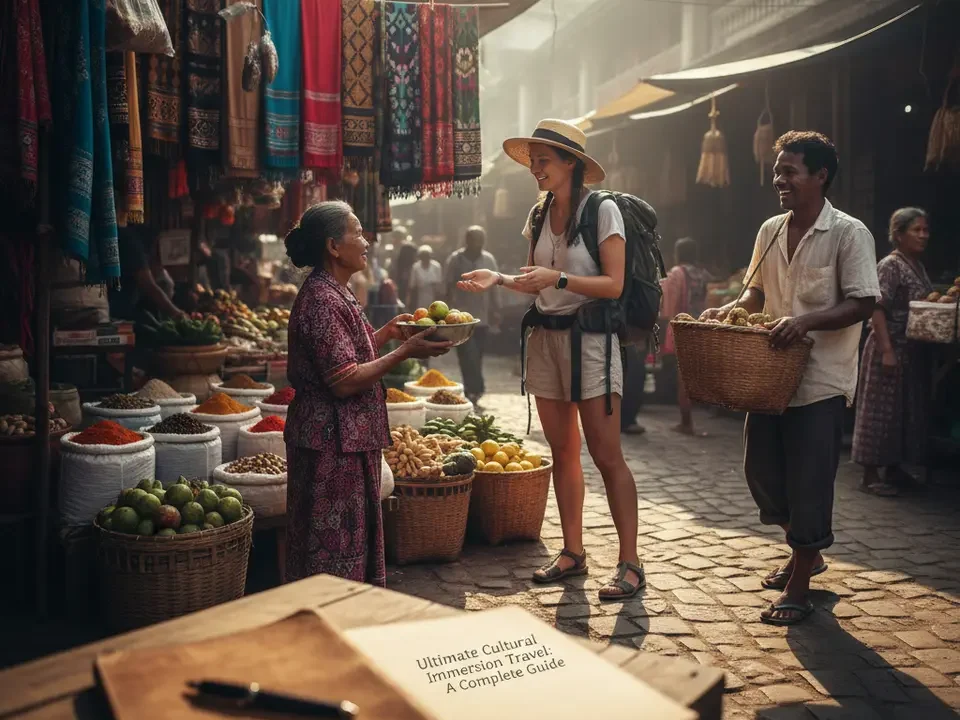
In today’s fast-paced world, Cultural Immersion Travel has emerged as a transformative approach to exploring destinations beyond surface-level sightseeing. This year (2026), travelers are increasingly seeking authentic connections with local communities, traditions, and ways of life. Rather than merely checking off famous landmarks, Cultural Immersion Travel invites you to engage with people, share stories, and develop a deeper appreciation for global diversity. In today’s digital landscape, planning meaningful experiences requires more than just booking flights and accommodations; it demands thoughtful research, genuine curiosity, and respectful engagement.
Whether you’re wandering through vibrant market stalls, joining a centuries-old festival, or learning a traditional recipe from a home cook, Cultural Immersion Travel enriches both your journey and the lives of those you meet. As sustainable tourism practices gain traction, responsible adventurers recognize the importance of minimizing negative impacts while maximizing mutual benefit. This comprehensive guide will walk you through every stage—from pre-trip preparation to celebrating local rituals—so you can confidently embark on a journey that honors people and places. By following these proven strategies, you’ll return home with lasting memories, new friendships, and a renewed sense of our shared humanity.
Planning Authentic Cultural Experiences
Effective Cultural Immersion Travel begins long before you step on a plane. Today’s savvy travelers allocate ample time to research local festivals, seasonal events, and unique community gatherings. Check regional tourism boards or official municipal websites for calendars detailing harvest celebrations, religious observances, and open-air performances. Aligning your trip with a cultural highlight ensures you witness traditions at their most vibrant.
Next, consider accommodations that foster genuine interaction. Community-based lodgings—such as family-run guesthouses or eco-lodges managed by cooperatives—offer unparalleled insight into daily life. Websites like the UNESCO Sustainable Tourism Portal can help you identify certified social enterprises that prioritize local wellbeing and fair wages.
Language preparation is equally vital. Learning simple greetings, expressions of gratitude, and polite inquiries in the native tongue not only shows respect but also opens doors for conversation. This year (2026), free and paid language apps with offline functionality allow you to download phrasebooks and pronunciation guides before departure. Practicing key phrases regularly will boost your confidence and demonstrate genuine interest in local culture.
Finally, set clear intentions for your journey. Write down personal goals—whether it’s mastering a traditional dance form, uncovering the origin of a textile craft, or understanding a community’s environmental practices. Intentional planning helps you prioritize authentic encounters over generic tours. By mapping out local contacts, arranging meet-ups with artisans, and identifying regional landmarks, you’ll maximize your time and ensure your Cultural Immersion Travel yields both memorable experiences and meaningful insights.
Communicating Across Language Barriers
One of the most rewarding aspects of Cultural Immersion Travel is overcoming language hurdles. Even a handful of well-practiced phrases can break down barriers and foster genuine connections. To start, download language apps that offer offline dictionaries and audio pronunciation. Many travelers currently rely on platforms like Duolingo or Memrise, but specialized phrasebook apps often include region-specific vocabulary for everyday interactions.
Carrying a compact bilingual pocket dictionary remains a reliable backup, particularly in rural or low-connectivity areas. Flip through common nouns, verbs, and simple questions to navigate markets, transportation hubs, and homestay environments. Additionally, watching native speakers on video-sharing platforms can refine your accent. Search for local content creators demonstrating greetings or cultural etiquette, then mimic their pronunciation.
Non-verbal communication is equally powerful. A warm smile, open posture, and respectful eye contact can transcend words and convey goodwill. When discussing unfamiliar topics, use hand gestures and facial expressions to support understanding. Many cultures have unique non-verbal cues—research local norms via reputable sources such as the National Geographic culture guides to avoid unintentional offense.
Patience is essential. Misunderstandings will occur, and it’s best to approach them with humor and humility. Repeat key points slowly, ask locals to teach you new expressions, and genuinely appreciate their efforts to help. Embracing these moments with openness not only enhances your language skills but also enriches your Cultural Immersion Travel by creating memorable exchanges and lasting friendships.
Tasting the World: Culinary Immersion
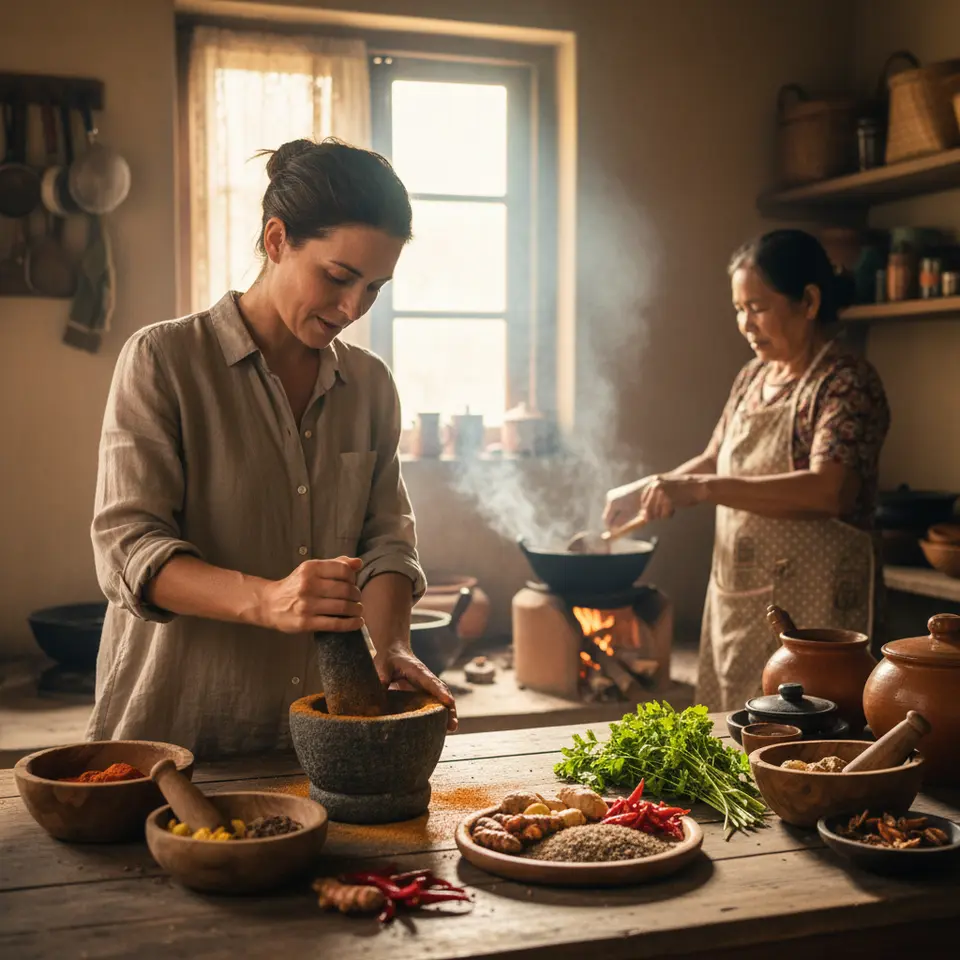
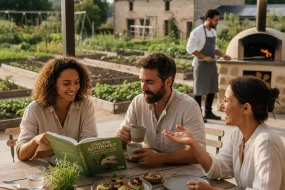
Food often serves as the most direct route into a culture’s history and identity. Culinary experiences are at the heart of Cultural Immersion Travel, inviting you to savor regional flavors and learn time-honored cooking methods. Cooking classes hosted in local homes give you hands-on instruction from experienced cooks who share family recipes and cultural anecdotes. These intimate sessions reveal subtle techniques—such as spice roasting or traditional fermentation—that rarely appear in commercial kitchens.
For spontaneous discoveries, explore street food markets where vendors preserve recipes passed through generations. Engage in conversation as you sample specialties like spiced stews, grilled skewers, or regional sweets. Vendors are proud to discuss ingredients, historical origins, and secret flavor combinations. This interactive environment deepens your appreciation for the local palate.
Participating in community feasts during festivals or religious ceremonies allows you to experience food as a collective celebration. While attending communal meals, remain mindful of dietary customs and taboos. In certain regions, abstaining from specific meats or observing fasting practices demonstrates respect for religious beliefs. Research local protocols in advance and share any dietary restrictions with hosts to ensure seamless participation.
By blending formal cooking lessons with spontaneous street food exploration, you’ll cultivate a well-rounded culinary perspective. These experiences not only delight your taste buds but also emphasize food’s role in heritage preservation and social bonding. Through hands-on cooking and mindful dining, Culinary Immersion becomes an essential pillar of your Cultural Immersion Travel journey.
Engaging with Local Hosts and Homestays
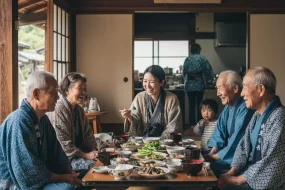
Staying under one roof with local families transforms Cultural Immersion Travel from observation to participation. Homestays facilitate authentic interaction, allowing you to share daily routines and household customs. Begin by clearly communicating your expectations—covering meal times, privacy needs, and any allergies or dietary preferences. Transparent dialogue ensures mutual comfort and respect.
Small gestures of appreciation go a long way. Presenting a modest gift—such as a local souvenir from your hometown—demonstrates gratitude and opens the door to deeper conversations. During your stay, volunteer for household tasks: assist with cooking, help tend a garden, or join morning chores. These shared activities foster genuine bonds and offer unique insights into community life.
Observe local etiquette closely. In many cultures, separate living spaces or specific visitor routines exist; respecting these norms signals cultural sensitivity. Discuss sleeping arrangements and bathroom usage in advance to avoid misunderstandings. Use suggested greetings and expressions in the native language, reinforcing your commitment to respectful engagement.
Finally, document your daily life through journaling or sketching, then share stories with your hosts. Exchanging experiences enriches both sides and builds lasting connections. By fully immersing yourself in homestays, you’ll gain firsthand perspective on traditions, values, and community structures—core elements of any meaningful Cultural Immersion Travel adventure.
Participating in Festivals and Respectful Traditions
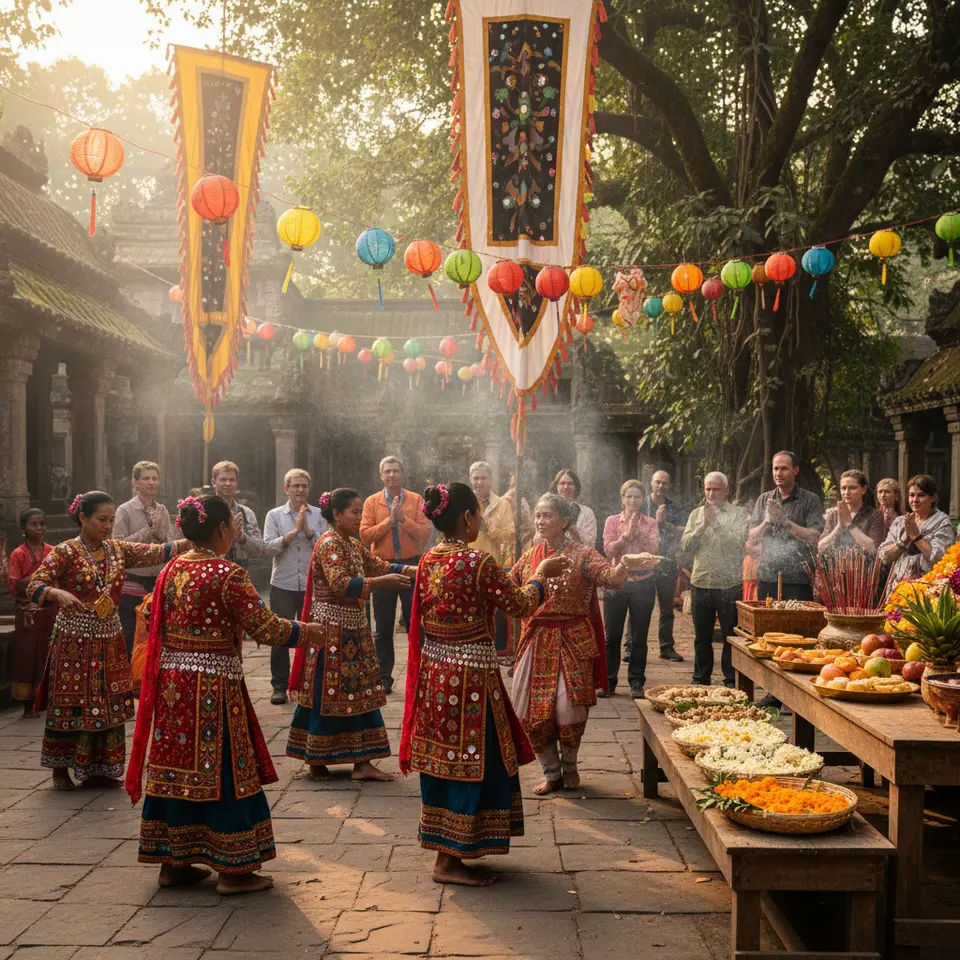
Festivals serve as living museums, showcasing music, dance, rituals, and craftsmanship that have shaped communities for centuries. Engaging in these events is a highlight of Cultural Immersion Travel. Before attending, research local dress codes: some ceremonies require covering shoulders, removing shoes, or wearing traditional attire. Dressing appropriately signals reverence for sacred practices.
Upon arrival, observe how locals participate. Watch movement patterns, prayer postures, or ceremonial dances before joining in. Many communities welcome visitors, but always ask permission first—especially before taking photographs or filming rituals. Request consent verbally or with simple gestures, respecting anyone who declines.
Contributing to ceremonies—through donations of flowers, incense, or other customary offerings—demonstrates genuine support. Verify accepted practices via community leaders or onsite coordinators. Inquiring discreetly about participation guidelines helps you integrate seamlessly without disrupting sacred atmospheres.
Beyond festivals, learn about everyday etiquette. In some regions, speaking softly in religious sites honors traditions of contemplation. Understanding taboos—such as avoiding certain hand gestures or refraining from touching objects—fosters deeper cultural empathy. Embrace the mindset of a respectful participant, not a spectator, and you’ll forge meaningful connections that elevate your Cultural Immersion Travel experience.
Frequently Asked Questions
What is Cultural Immersion Travel?
Cultural Immersion Travel is a transformative approach to exploring destinations that emphasizes genuine engagement with local communities, traditions, and daily life rather than superficial sightseeing.
How can I prepare for authentic cultural experiences?
Research regional events and festivals, choose community-based accommodations, learn basic local language phrases, and set clear intentions to prioritize meaningful interactions over generic tours.
Is it necessary to speak the local language?
While fluency isn’t required, mastering key greetings and expressions demonstrates respect and facilitates communication. Use offline language apps, pocket dictionaries, and non-verbal cues to bridge gaps.
Conclusion
Cultural Immersion Travel is more than a journey—it’s a collaborative exchange that deepens your understanding of the world and uplifts local communities. By carefully planning authentic encounters, overcoming language barriers, savoring regional flavors, living with hosts, and honoring festivals and traditions, you’ll craft a travel narrative rich in insight and connection. In today’s digital landscape, the value of face-to-face exchanges and hands-on experiences has never been clearer. As you embark on your next adventure, embrace each interaction with openness, respect, and curiosity. That approach will ensure your Cultural Immersion Travel leaves a positive footprint, enriching both your life and the cultures you visit. Safe travels and memorable discoveries await!


I’m Lewis Jude, a digital marketer and content editor passionate about helping businesses grow through smart, actionable strategies. I focus on creating content that simplifies marketing concepts, drives engagement, and delivers measurable results for brands and professionals alike.











No Comments