


As travelers seek more conscientious ways to explore our planet, eco-friendly cruise experiences are gaining momentum. In today’s tourism industry, sustainability isn’t an afterthought—it’s integral to every itinerary. This year , advancements in renewable energy, waste reduction, and community engagement have transformed the cruise sector, making green voyages both luxurious and responsible. From solar array–topped vessels gliding through polar seas to wind-assisted ships charting tropical archipelagos, travelers can fulfill bucket-list adventures without compromising environmental ideals.
In today’s digital landscape, information about green travel is at your fingertips, but discerning genuine eco-credentials requires a careful eye. Certifications like ISO 14001 and Green Marine ensure environmental management standards are met, and partnerships with reputable institutions like the National Oceanic and Atmospheric Administration and UNESCO World Heritage Centre bolster credibility. This comprehensive guide delves into five themed sections, offering insights into cutting-edge propulsion technologies, zero-waste practices, and community-focused outreach programs. Whether you’re a seasoned mariner or planning your first expedition, discover how these innovative routes are redefining sustainable adventure through authentic, eco-friendly cruise experiences.
Solar-Powered Arctic and Remote Voyages
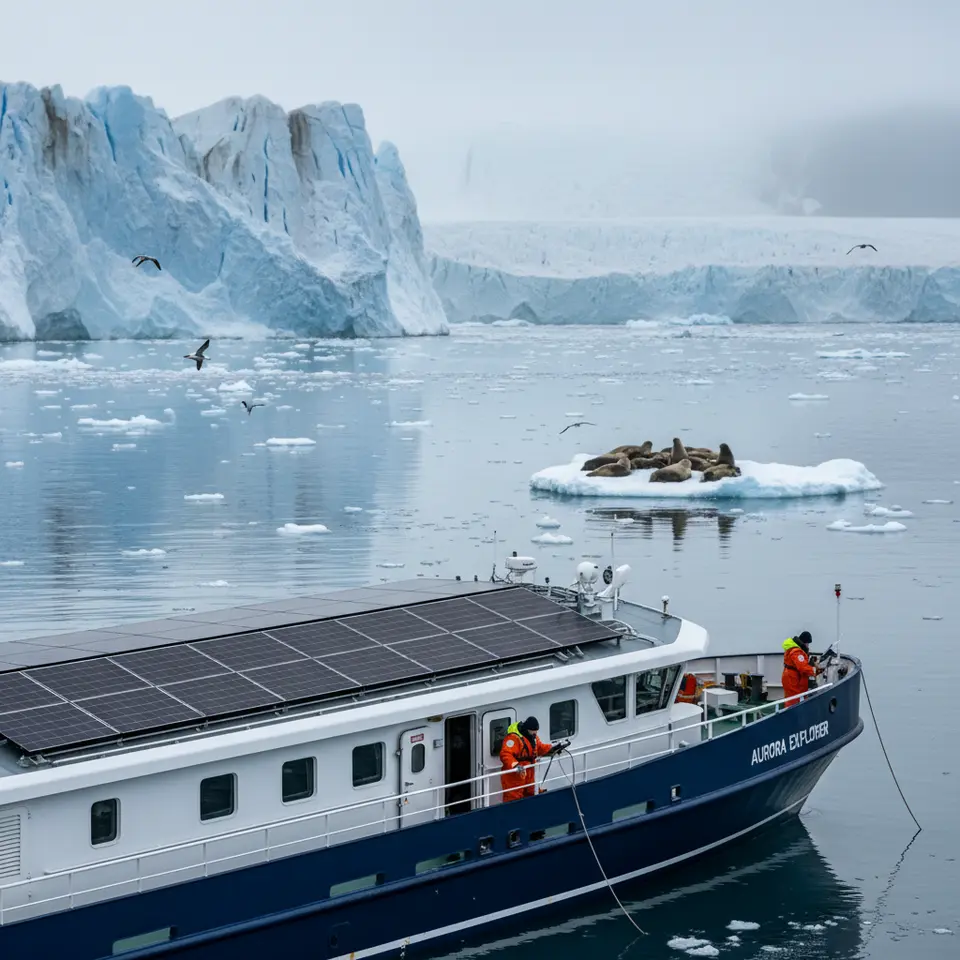
Harnessing the sun’s rays has never been more crucial for reducing carbon footprints. Modern solar-enhanced expedition ships are equipped with rooftop photovoltaic panels that capture daylight to power onboard systems. In the Arctic Circle, these vessels minimize diesel generator use by up to 30% during sunlight hours, thanks to advanced battery storage that shifts excess energy into evening operations. This seamless integration of renewable sources allows guests to immerse themselves in polar majesty—from towering glaciers to elusive wildlife—while supporting climate research led by onboard scientists.
Eco-friendly cruise experiences in remote regions also emphasize education. Onboard workshops explain the science behind sea-ice monitoring, and passengers can participate in data collection with equipment provided by organizations such as the National Snow and Ice Data Center. By contributing to real-time studies of ice thickness and temperature, travelers become active stewards of fragile ecosystems. The combination of hands-on learning, minimal emissions, and state-of-the-art design makes these Arctic solar expeditions a hallmark of sustainable luxury travel.
Beyond the polar frontier, solar propulsion extends to river and coastal journeys. Transparent solar cells embedded in panoramic glass roofs offer uninterrupted views of Europe’s storied waterways while generating renewable energy. A solar river cruiser gliding along the Danube or Rhône illustrates how eco-friendly cruise experiences can transform traditional itineraries. As you sip organic wine during sunset, know that the vessel’s carbon footprint remains virtually neutral. Today, solar innovations are redefining how we chart new horizons—proving that radiant power can fuel both exploration and environmental consciousness.
Zero-Waste Initiatives and Circular Practices at Sea

Zero-waste philosophy on board revolves around designing out single-use plastics and embracing a circular economy. Modern green liners replace disposable packaging with reusable alternatives—stainless-steel plates, compostable bamboo utensils, and refill stations for toiletries. Organic farm-to-table dining elevates the culinary experience by sourcing produce from partnered local farms at each port of call. Menus rotate to highlight seasonal ingredients, reducing food miles and supporting coastal agriculture.
Advanced wastewater treatment systems ensure that effluent meets or exceeds international marine pollution standards before being discharged. Such technology aligns with protocols set by the International Maritime Organization (IMO), ensuring no harmful substances enter sensitive marine habitats. Onboard recycling hubs segregate paper, glass, metal, and food scraps, turning organic waste into compost used by nearby communities. Guests can witness compost demonstrations led by sustainability officers, illustrating how refuse can be repurposed into fertile soil rather than landfilled.
These zero-waste approaches amplify eco-friendly cruise experiences by fostering a closed-loop mindset. Travelers learn how circular systems function, from refillable coffee stations to digital ticketing that eliminates paper. By championing a cradle-to-cradle framework, cruises not only minimize pollution but also inspire passengers to adopt sustainable habits ashore. This year, zero-waste voyages stand as a testament to how hospitality and conservation can seamlessly unite on the high seas.
Wind-Assisted and Biofuel-Driven Adventures
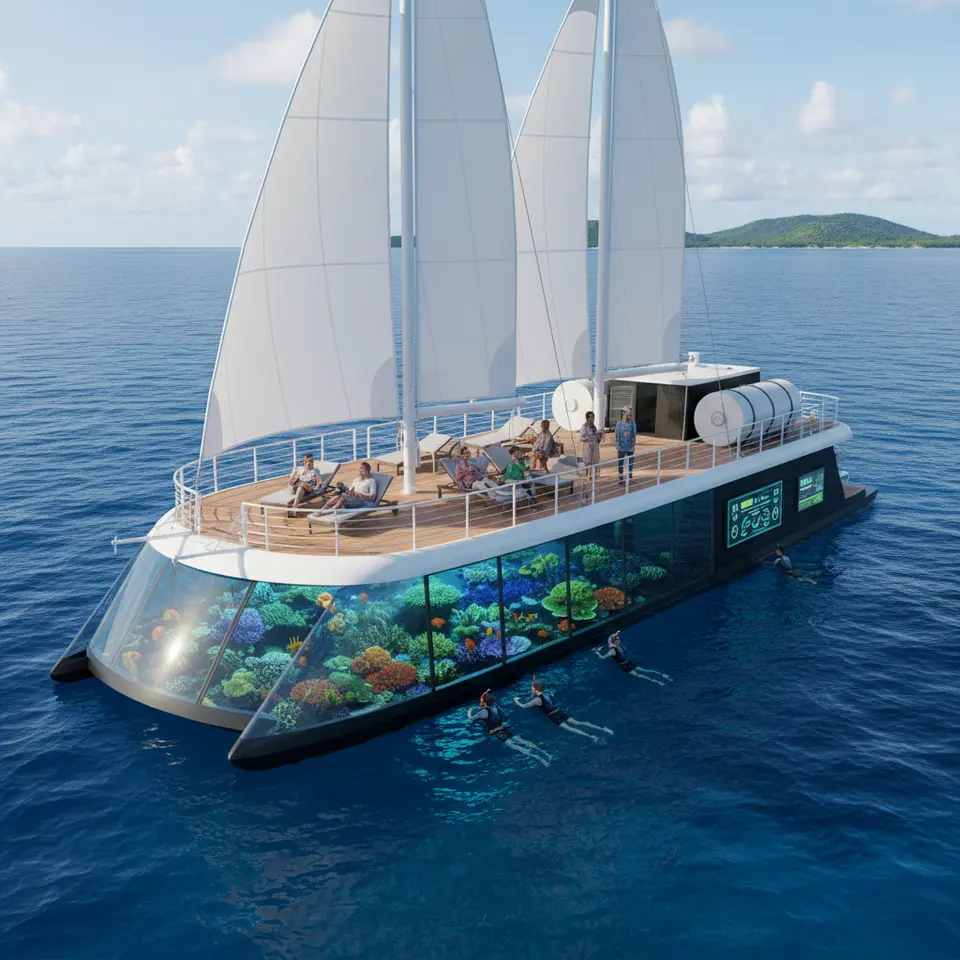
Reviving seafaring traditions, wind-assisted cruise ships deploy retractable sails to harness renewable kinetic energy. These contemporary schooners and barquentines incorporate hybrid engines that ignite only when wind conditions wane, slashing fuel consumption and emissions. As the vessel sails between South Pacific islands—Tahiti, Fiji, the Cook Islands—travelers experience the thrill of pure wind propulsion while gliding over vibrant coral reefs.
Simultaneously, second-generation biofuels derived from waste cooking oils and agricultural residues are powering a new wave of eco-friendly cruise experiences in the Caribbean. These vessels operate on fuel blends that can reduce greenhouse gas emissions by up to 85% compared to conventional marine diesel. Snorkeling excursions highlight reef restoration projects led by marine biology institutes, where guests learn how innovative fuels complement ecosystem recovery.
These wind and biofuel combinations underscore a broader movement toward diversified renewable sources at sea. Workshops on board teach passengers how to calculate their travel carbon footprint and explore offset programs accredited by leading environmental NGOs. By integrating wind sails, hybrid engines, and bio-based fuels, these cruises offer dynamic, multi-modal journeys that respect marine biodiversity and propel the industry toward a low-carbon future.
Polar Icebreakers and Hydrogen Hybrid Expeditions
For intrepid travelers, polar icebreakers now offer carbon-offset workshops alongside low-emission operations. Retrofitted with energy-saving hull designs and cleaner-burning engines, these ice-class vessels navigate Greenland’s fjords and the Antarctic Peninsula with reduced environmental impact. Passengers can attend seminars on reforestation projects, supporting boreal forest restoration through partnerships with ecologists and government agencies.
Stepping further into innovation, hydrogen hybrid ships are pioneering zero-emission cruising. Fuel cells convert stored hydrogen into electricity, emitting only water vapor. Excess thermal energy warms cabins and communal areas, eliminating the need for additional heating fuel. In Antarctica, these vessels chart courses among majestic ice shelves and emperor penguin rookeries with an almost silent, emission-free profile that respects one of Earth’s most pristine realms.
Combining icebreaking prowess with hydrogen technology elevates eco-friendly cruise experiences to unprecedented levels. Guests witness cutting-edge renewable engineering in action while exploring remote wilderness areas. Scientific briefings on glaciology and climate change connect travelers to ongoing research, demonstrating how sustainable maritime practices can safeguard polar environments for generations to come.
Community Partnerships and Conservation-Focused Itineraries
True sustainability extends beyond onboard operations—it thrives through collaboration with local communities. In the Pacific Northwest, Indigenous-led cruises offer immersive encounters that highlight traditional stewardship of salmon habitats and old-growth forests. Guests join foraging expeditions, learn ceremonial storytelling, and participate in shoreline restoration alongside tribal custodians.
Similarly, Southeast Asia itineraries partner with village cooperatives in Thailand, Vietnam, and Indonesia to deliver authentic cultural exchanges. Homestay experiences provide income to local families, and artisanal workshops showcase handicrafts rooted in centuries-old traditions. An onboard sustainability team ensures strict waste segregation, plastic-free shore excursions, and wildlife encounters conducted under stringent ethical guidelines.
These community-centered approaches enrich eco-friendly cruise experiences by forging meaningful connections between travelers and hosts. Partnerships with conservation NGOs amplify impact, supporting reef rehabilitation, mangrove replanting, and wildlife monitoring. By centering local voices and shared stewardship, these journeys demonstrate that sustainable tourism can drive social and environmental progress hand in hand.
Conclusion
Today’s eco-friendly cruise experiences embody the fusion of adventure and responsibility. From solar array–topped vessels in the Arctic to hydrogen hybrid icebreakers in Antarctica, the maritime industry is charting a greener course. Zero-waste dining, wind-assisted navigation, and community partnerships reinforce a holistic model of travel that honors both nature and culture. As you plan your next voyage this year, consider these transformative itineraries and the principles behind them. By choosing an eco-conscious cruise, you contribute to a cleaner ocean, empowered communities, and a sustainable future—one journey at a time.
Frequently Asked Questions
What certifications ensure a cruise’s eco-credentials?
Look for internationally recognized standards like ISO 14001, Green Marine, and partnerships with institutions such as the National Oceanic and Atmospheric Administration (NOAA) and UNESCO World Heritage Centre. These endorsements verify stringent environmental management and conservation practices.
How do zero-waste ships handle onboard waste?
Zero-waste vessels employ reusable dining ware, compostable utensils, refill stations for toiletries, and advanced wastewater treatment that exceeds IMO regulations. Recycling hubs onboard segregate materials, turning organic scraps into compost for nearby communities.
Can solar and wind power fully replace traditional engines?
While solar panels and retractable sails significantly reduce fuel consumption—cutting diesel use by up to 30% in sunny regions and harnessing wind in open seas—they currently complement rather than replace hybrid engines. Ongoing innovations aim to further increase renewable energy shares.
Are hydrogen hybrid expeditions available in polar regions?
Yes. Emerging hydrogen fuel-cell technology is being integrated into ice-class vessels operating in Greenland and Antarctica. These ships offer silent, zero-emission navigation while supporting scientific research and conservation workshops.
What makes eco-friendly cruise experiences different from traditional cruises?
Eco-friendly cruise experiences focus on reducing environmental impact through renewable energy, zero-waste systems, sustainable dining, cleaner fuels, and conservation-focused tourism while still offering luxury and comfort.
Are eco-friendly cruises more expensive than regular cruises?
Some sustainable cruises may cost more due to advanced green technologies and smaller passenger capacities. However, many travelers consider the environmental benefits and unique experiences worth the investment.
Which destinations are best for eco-friendly cruise experiences?
Popular sustainable cruise destinations include Antarctica, the Arctic Circle, the Norwegian fjords, the Galápagos Islands, Alaska, the South Pacific, and Southeast Asia due to their conservation-focused tourism initiatives.
How do cruise lines reduce carbon emissions?
Cruise companies reduce emissions through solar panels, wind-assisted propulsion, hydrogen fuel cells, biofuels, energy-efficient hull designs, and optimized navigation systems that minimize fuel consumption.
Are eco-friendly cruises safe for marine wildlife?
Yes. Sustainable cruise operators follow strict wildlife protection guidelines, maintain safe viewing distances, reduce underwater noise pollution, and partner with marine conservation organizations to protect ecosystems.
What sustainable activities can passengers participate in onboard?
Passengers can join climate workshops, marine conservation programs, composting demonstrations, reef restoration activities, citizen science projects, and environmental education sessions during the voyage.
How do eco-friendly cruises support local communities?
Many sustainable cruises partner with Indigenous groups, local artisans, farmers, and village cooperatives to create authentic cultural exchanges and provide direct economic support to local communities.
What should travelers look for when booking a green cruise?
Travelers should check for certifications like ISO 14001, Green Marine, sustainable fuel usage, waste management policies, conservation partnerships, and transparent environmental reporting practices.
Can luxury and sustainability coexist on modern cruises?
Absolutely. Modern eco-friendly cruise experiences combine premium accommodations, fine dining, wellness facilities, and immersive excursions with advanced sustainability technologies and environmentally responsible operations.
Why are eco-friendly cruise experiences becoming more popular?
Growing awareness of climate change, ocean conservation, and responsible tourism has encouraged travelers to choose greener vacation options that minimize environmental harm while supporting sustainable exploration.


I’m Plabon, Editor at TravelLuxuryS.com. With a passion for luxury travel and unforgettable experiences, I create content that inspires travelers to explore the world in style. At Travel Luxury S, my goal is to share guides, tips, and curated recommendations that help readers plan extraordinary journeys and make every trip truly memorable.







No Comments