


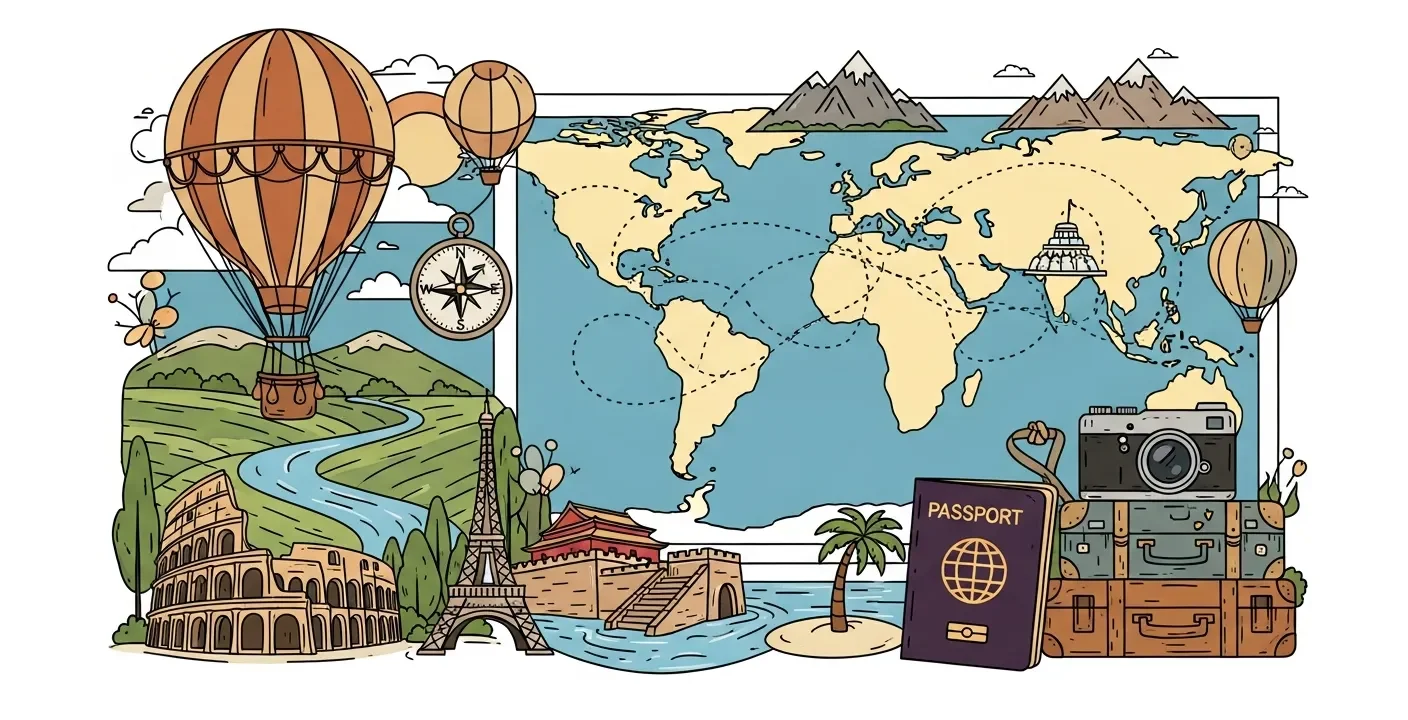
This guide is designed for photographers at every level who want to strengthen their travel photography skills this year. We’ll explore the essential gear you need, methods for researching and scouting locations, composition techniques to guide the viewer’s eye, ways to harness natural light effectively, and tips for post-processing and storytelling. Along the way, we’ll reference authoritative resources such as the National Park Service and the National Oceanic and Atmospheric Administration (NOAA) to help you plan conditions and preserve detail in your images. By the end of this article, you’ll have a comprehensive roadmap for capturing unforgettable travel photographs that speak to emotion, place, and time.
Essential Equipment for Exceptional Shots
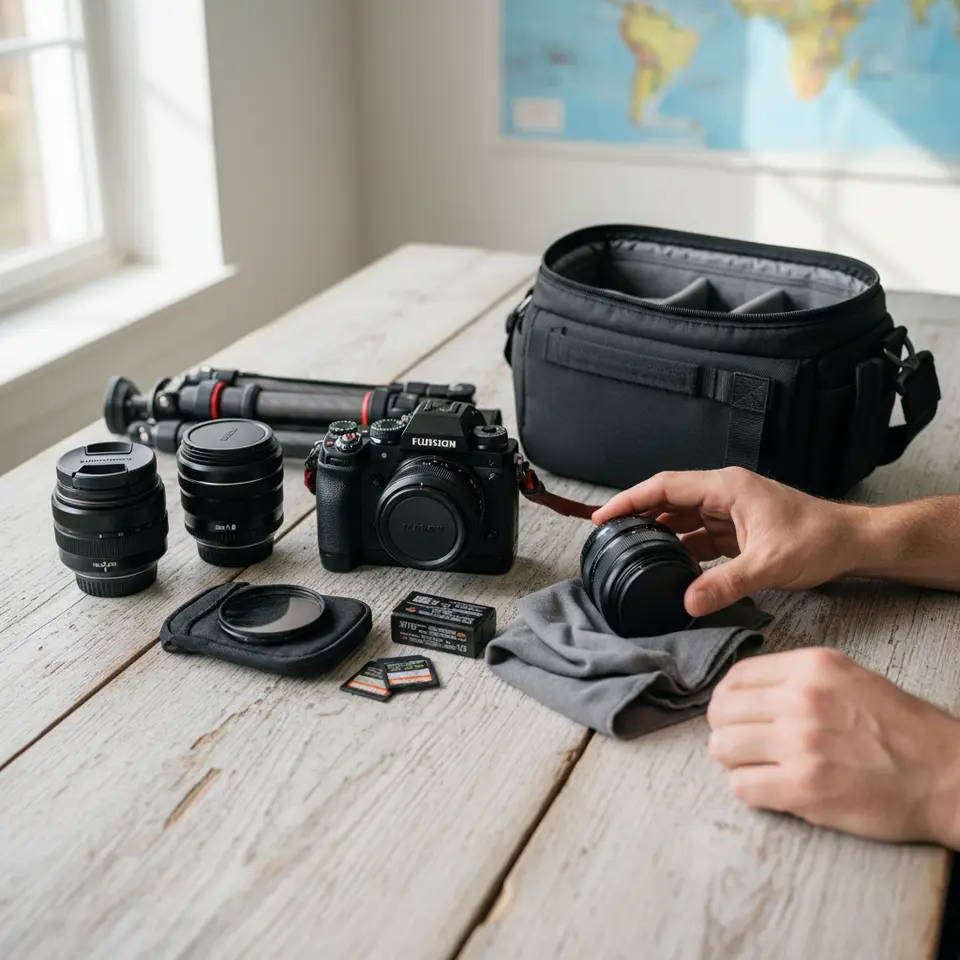
Having reliable tools tailored to your shooting style is the cornerstone of successful travel photography. You don’t need to invest in top-of-the-line products, but selecting gear that balances image quality, portability, and versatility will empower you to adapt to changing environments while on the move.
Choosing the Right Camera
Mirrorless cameras have surged in popularity for their compact bodies and advanced features. Models from Sony’s Alpha series, Fujifilm’s X-series, and Canon’s EOS R lineup provide excellent sensor performance, autofocus speed, and 4K video capabilities without the bulk of traditional DSLRs. Look for a model that offers in-body image stabilization (IBIS) to reduce camera shake when shooting handheld.
Optimal Lens Selection
A well-rounded lens kit helps you capture landscapes, street scenes, and portraits without constantly swapping glass. A standard zoom, such as a 24–70mm f/2.8, covers a wide focal range for most situations, while a wide-angle zoom (16–35mm) is ideal for dramatic vistas. Adding a fast prime lens, such as a 35mm or 50mm f/1.8, gives you an edge in low-light settings or when creating shallow depth of field for subject isolation.
Supporting Accessories
A lightweight travel tripod—preferably with carbon fiber legs—provides stability for long exposures, nightscapes, and HDR brackets. Essential accessories include extra batteries, high-capacity memory cards, a microfiber cloth for lens cleaning, and a rain cover or weather-sealed bag to protect gear in unpredictable conditions. Consider packing a compact ND filter kit to experiment with motion blur and silky water effects even in bright daylight.
Backup and Connectivity
Maintaining backups is critical when you’re on the road. Portable SSDs or high-speed memory card readers ensure you can transfer and store images regularly. Some mirrorless bodies offer direct Wi-Fi or Bluetooth connectivity, allowing you to preview and share photos instantly on social media or back them up to cloud services when you find reliable internet access.
Research and Scouting Techniques
Every great photograph often starts long before you press the shutter. Meticulous research and onsite scouting ensure you arrive at the right location at the right moment to capture unforgettable scenes. Today, a combination of mobile apps, online resources, and local insights can transform your planning process.
Utilizing Digital Tools
Apps like PhotoPills, The Photographer’s Ephemeris, and Google Earth help you map out vantage points, predict sun and moon trajectories, and scout terrain features virtually. For official weather patterns and long-range forecasts, the National Oceanic and Atmospheric Administration (NOAA) provides up-to-date information on temperature, wind speeds, cloud cover, and precipitation—key factors that influence the mood and quality of outdoor images.
Timing and Light Conditions
Golden hour and blue hour are often touted as the best times for travel photography, but optimal conditions can vary by region and season. Use sunset and sunrise calculators to plan shoots when natural light casts warm hues or when cityscapes reveal enchanting twilight tones. Checking local tourism boards or park service websites like the National Park Service can also alert you to special events, closures, or seasonal highlights.
On-the-Ground Exploration
Arriving early or returning late gives you the advantage of exploring locations without crowds. Physically walking around your chosen spot, experimenting with different angles, and noting foreground elements—rocks, pathways, plants—can uncover unique compositions that don’t appear in guidebooks. Engage with local photographers or community groups on platforms like Flickr or Instagram to discover hidden gems and cultural nuances.
Adapting to Unpredictability
No matter how thorough your planning, weather changes and unexpected events will arise. Embrace spontaneity by carrying a selection of lenses and filters to handle sudden lighting shifts or unexpected subjects. By combining digital preparation with flexible scouting practices, you’ll maximize your opportunities for striking travel photographs.
Composition Strategies to Elevate Your Images
Mastering composition is fundamental to directing the viewer’s eye and conveying a visual narrative. While foundational rules provide a helpful framework, learning when and how to break them creatively can lead to truly memorable travel photography.
Rule of Thirds and Beyond
Dividing the frame into nine equal sections with two equally spaced horizontal and vertical lines, the rule of thirds encourages you to place key elements along these lines or intersections. However, perfectly centering a subject or embracing symmetry can produce a bold impact when the scene calls for it. Observe natural lines and structures—mountain ridges, building facades, and shorelines—to guide placement.
Leading Lines and Depth
Paths, rivers, fences, and architectural features act as leading lines that draw the viewer’s gaze toward the main subject. Incorporating elements in the foreground—rocks, vegetation, or figures—adds depth to your frame, creating a three-dimensional effect that invites the viewer into the scene.
Framing and Layering
Using windows, archways, foliage, or doorways to frame your subject adds context and visual interest. Layering multiple planes—foreground, midground, background—reinforces the sense of scale and environment. For example, positioning a lone figure against a vast mountain range emphasizes both the human element and the grandeur of the landscape.
Patterns, Textures, and Minimalism
Patterns and repetitive shapes—tilework, waves, fields of crops—can create striking abstract compositions. Conversely, minimal compositions with ample negative space highlight a single focal point, allowing viewers to project their own interpretations onto the image. Experiment with high and low angles to emphasize texture or reduce clutter.
Using Light to Your Advantage
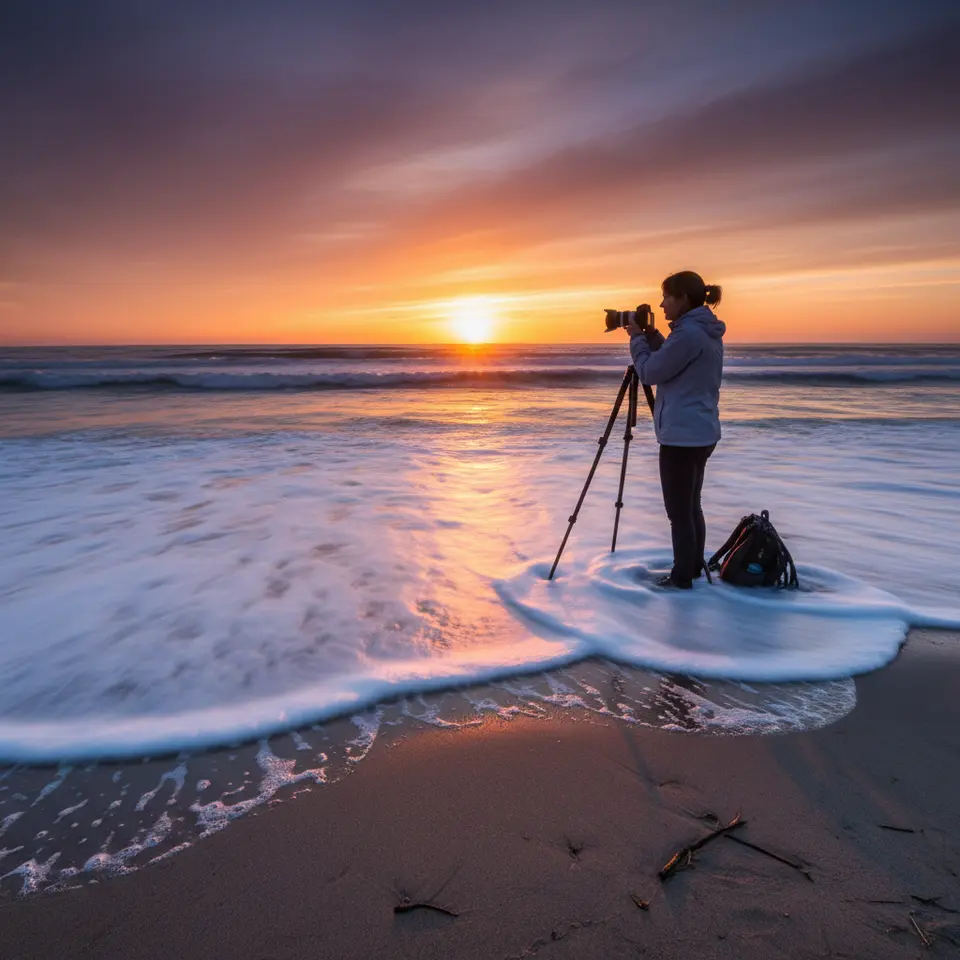
Light is the defining element in photography—its quality, direction, and color can dramatically influence mood, contrast, and detail. Understanding how to harness natural light will elevate your travel photography in any environment.
Golden and Blue Hours
The warm glow of golden hour—shortly after sunrise and before sunset—imbues landscapes and portraits with soft, flattering tones. Blue hour, the twilight period just before sunrise and after sunset, offers cool, balanced light that is ideal for cityscapes and long exposures. Capturing the transition between these periods can yield dynamic sky colors and subtle gradients.
Backlighting and Silhouettes
Positioning your subject between the camera and the light source creates rim lighting or silhouettes that emphasize shapes and outlines. Silhouettes against vibrant skies or misty backgrounds highlight form while concealing details, lending a sense of mystery to your travel images.
Handling Harsh Midday Sun
When the sun is high, and contrast is intense, seek out open shade or diffuse light through a portable reflectors or diffusers. Converting images to black-and-white can also mitigate color cast issues and focus attention on texture, pattern, and composition.
Long Exposures and Motion Blur
Utilizing neutral density (ND) filters in bright conditions extends shutter speeds, allowing you to blur moving elements such as water or clouds. This technique adds a dynamic sense of time passing, which can be particularly effective in coastal scenes, waterfalls, or cloudscapes.
Post-Processing and Storytelling

Post-production is where your vision comes to life—fine-tuning exposure, color, and composition to reflect the atmosphere you felt on location. However, maintaining a natural aesthetic ensures authenticity in your travel photography portfolio.
RAW Workflow and Basic Corrections
Shooting in RAW format retains maximum image data, giving you greater flexibility during editing. Begin by adjusting exposure, contrast, highlights, and shadows. Correct white balance to neutralize unwanted color casts and enhance vibrance for richer hues.
Lens Corrections and Straightening
Enable profile-based lens corrections to address distortion and vignetting. Use crop and rotate tools to level horizons and remove distracting elements near the edges of the frame. These refinements ensure your images appear polished and professional.
Selective Adjustments and Masking
Local edits with brushes and masks allow you to brighten faces, deepen skies, or sharpen architectural details without affecting the entire image. Subtle use of clarity and texture sliders can enhance midtone contrast, revealing intricate patterns in stonework or foliage.
Consistent Style and Presets
Developing a signature editing style helps create a cohesive gallery. Building presets tailored to your personal vision saves time and ensures uniformity across diverse locations. Whether you prefer muted tones or vibrant color palettes, consistency strengthens your storytelling voice.
Weaving a Visual Narrative
Powerful travel photography transcends single images—it’s about sequencing shots to guide viewers through a journey. Curate a collection that moves from wide establishing shots to intimate details: the sweeping landscape, the engaging portrait, and the candid moment. Frame your images with captions or short anecdotes on your blog or social channels to give context and deepen engagement.
Conclusion
Today, travel photography offers an unparalleled way to explore the world and share your experiences with a global audience. By investing in the right equipment, committing time to research and scouting locations, mastering composition rules, understanding how to sculpt light, and refining your workflow in post-processing, you can create images that resonate with authenticity and emotion. In today’s digital landscape, your photographs become more than visual records—they become stories that inspire curiosity, connect cultures, and preserve the spirit of adventure for years to come. Embrace the process, stay curious, and let the transformative power of travel photography propel your creative journey.
FAQ
What is travel photography?
Travel photography is the art of capturing images that represent places, cultures, landscapes, and people during travel, telling visual stories of experiences around the world.
What are the best travel photography tips for beginners?
Start with natural light, compose your shots carefully, practice patience, and focus on capturing local culture and candid moments.
What should be included in a travel photography tips guide?
A travel photography guide should include camera settings, composition techniques, lighting tips, gear recommendations, and storytelling methods.
What camera is best for travel photography?
Lightweight mirrorless cameras or high-quality smartphones are best for travel photography due to portability and ease of use.
How can I improve my travel photography skills?
Practice regularly, study composition rules, experiment with angles, and learn to use natural light effectively.
What are essential travel photography tips for lighting?
Shoot during golden hour, avoid harsh midday sunlight, and use shadows creatively for depth and mood.
How do I capture better landscape photos while traveling?
Use wide-angle lenses, include foreground elements, and follow the rule of thirds for balanced composition.
What are common mistakes in travel photography?
Common mistakes include poor lighting, cluttered backgrounds, lack of focus, and over-editing photos.
How important is storytelling in travel photography?
Storytelling is very important as it connects images emotionally and helps viewers experience the journey visually.
What gear is essential for travel photography?
Essential gear includes a camera or smartphone, extra batteries, memory cards, a lightweight tripod, and a protective bag.


I’m Lewis Jude, a digital marketer and content editor passionate about helping businesses grow through smart, actionable strategies. I focus on creating content that simplifies marketing concepts, drives engagement, and delivers measurable results for brands and professionals alike.






No Comments