


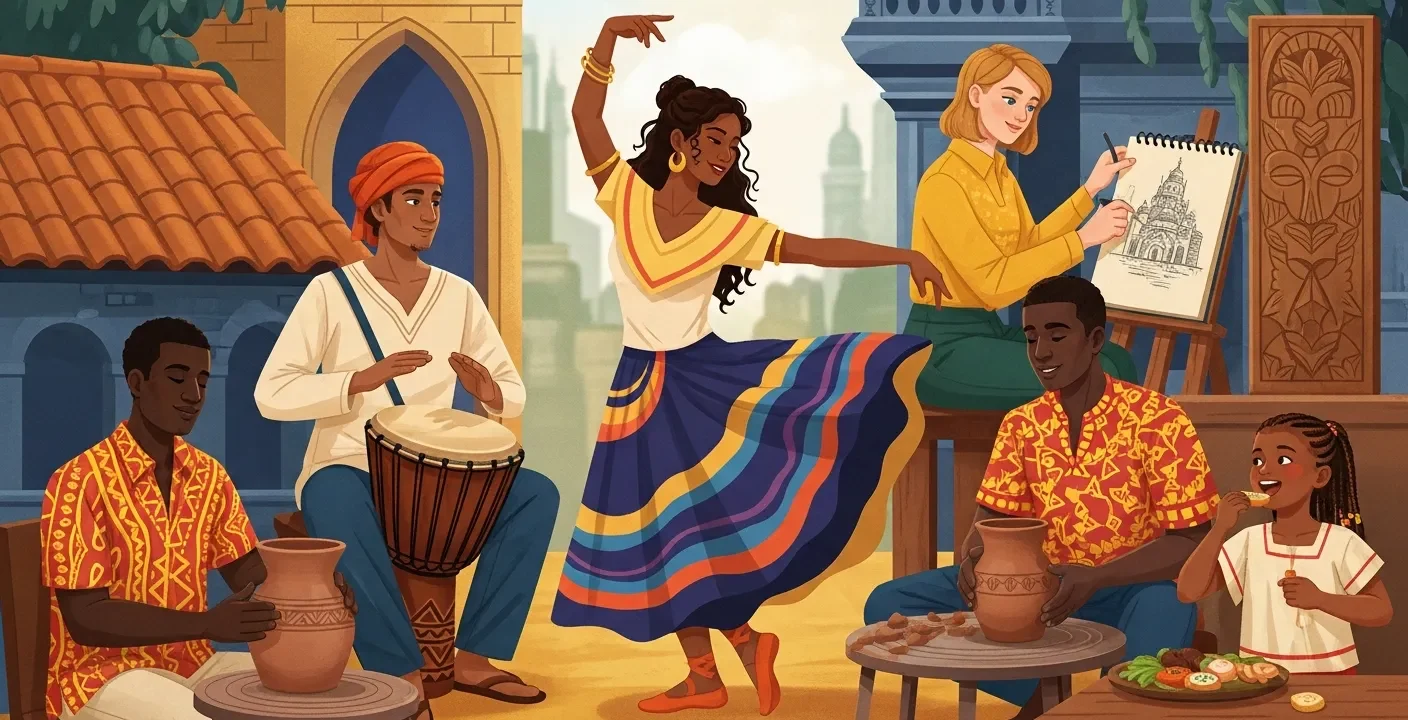
This comprehensive guide explores authentic cultural immersion and how it redefines travel. We cover practical strategies, actionable tips, and common mistakes to avoid. You will learn how to respect local customs, build meaningful connections, and experience the true heart of every destination you visit.
In today’s digital landscape, cultural immersion has emerged as the ultimate way to transform travel from a checklist of attractions into a truly enriching journey. Rather than remaining a distant observer, you become an active participant in the daily rhythms, traditions, and stories of the places you visit. This year, more travelers are realizing that authentic engagement with local communities leads to deeper personal growth, lasting connections, and memorable experiences that outlive any souvenir. From sampling home-cooked meals in rural villages to joining centuries-old ceremonies, the path to genuine cultural immersion begins long before you pack your bags and continues well after your return.
Embarking on a culturally immersive adventure requires thoughtful preparation: researching historical contexts, understanding social protocols, and mastering a handful of essential phrases. Along the way, you’ll need to choose experiences that prioritize local voices and support community economies. Respectful communication—verbal and nonverbal—will open doors, while sustainable practices ensure that your presence leaves a positive impact. In this comprehensive guide, we’ll walk you through every step needed to plan, execute, and savor an authentic cultural immersion journey that resonates with both traveler and host.
Understanding the Value of Cultural Immersion
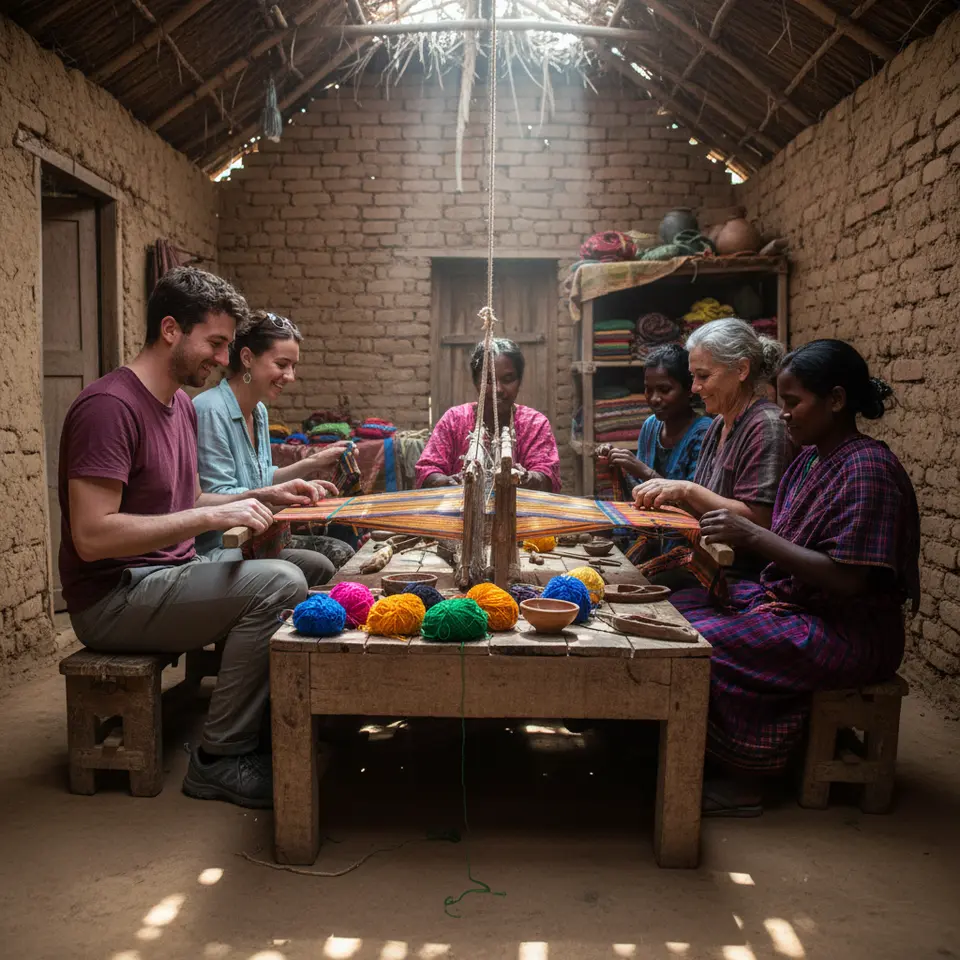
Travelers who embrace cultural immersion gain far more than postcards and photographs—they acquire empathy, broadened perspectives, and a sense of global citizenship. By stepping into the fabric of daily life, you give yourself permission to learn directly from local experts—whether that’s an artisan weaving textiles or a respected elder telling ancestral stories. This direct engagement dismantles stereotypes and replaces them with genuine appreciation for diverse worldviews.
Building Meaningful Connections
One of the most powerful outcomes of cultural immersion is the friendships and bonds you form. As you share meals, music, and traditions, you move beyond the superficial interactions common to standard tourism. These relationships often transcend language barriers, guided by common human experiences such as laughter, curiosity, and hospitality.
Empowering Communities
By choosing ethically run homestays, locally led tours, and authentic workshops, you ensure that your travel dollars directly benefit artisans, guides, and small businesses. According to UNESCO’s World Heritage Centre, community involvement is key to preserving cultural landmarks and practices. Supporting these initiatives helps sustain traditional crafts and livelihoods for generations to come.
Fostering Personal Transformation
Cultural immersion isn’t passive—each challenge or unfamiliar custom invites growth. Whether adjusting to different meal times, learning to navigate nonverbal cues, or adopting a new greeting style, you develop adaptability and openness. These skills remain invaluable in both travel and everyday life.
Preparing for an Authentic Experience
Proper preparation lays the groundwork for respectful and rewarding cultural immersion. Investing time in research before departure equips you to approach each interaction with humility and understanding.
Researching Historical and Social Context
Begin with reputable sources: academic articles, official tourism sites, and online cultural forums. Learn about major historical events, social hierarchies, and traditional belief systems. A digital or handwritten travel journal is an excellent way to compile notes on customs, taboos, and local etiquette—ensuring you’re informed and respectful from the moment you arrive.
Understanding Dress Codes and Communication Styles
Clothing often communicates respect. In many cultures, modest attire is expected for religious sites or community gatherings. Similarly, gestures and body language carry different meanings across cultures; a thumbs-up or direct eye contact might be polite in one setting and offensive in another. Taking time to read guides or consult native speakers online can prevent awkward or disrespectful moments.
Learning Essential Phrases
Master a handful of local words—hello, thank you, please, and goodbye. Even a few correctly pronounced phrases demonstrate sincerity and openness. Download offline language apps or carry a small phrasebook, so you can refer to them when Wi-Fi isn’t available. These efforts signal genuine interest and often win smiles and patience from new friends.
Timing Your Visit With Local Festivals
Cultural celebrations offer vivid insights into community values. Research festival calendars to see if your destination observes harvest ceremonies, religious processions, or seasonal fairs. Arriving during a major event can boost your experience—just remember to check protocols regarding photography, dress, and participation.
Selecting and Booking Authentic Local Activities
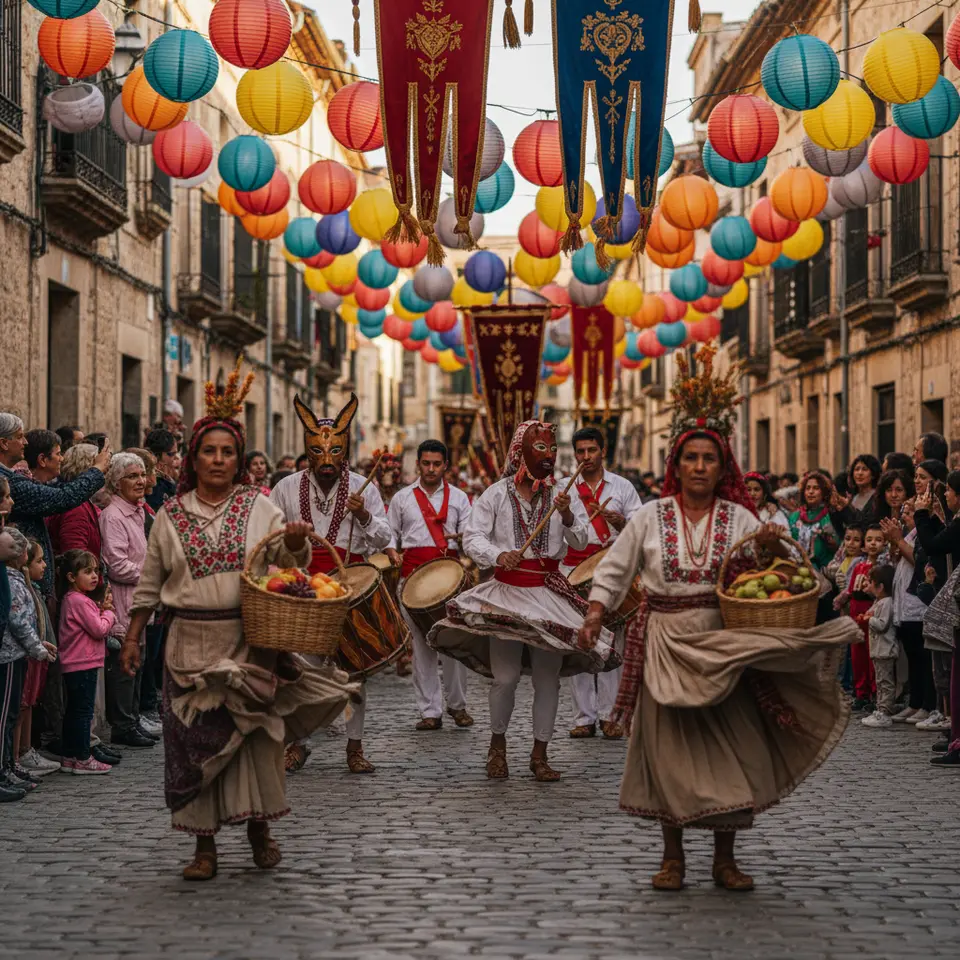
Not all activities labeled “authentic” live up to their promise. To ensure your cultural immersion benefits both you and the community, choose offerings that center on local expertise and fair compensation.
Homestays and Small-Scale Accommodations
Staying with a local family via homestays or platforms like Couchsurfing gives you unparalleled insight into daily life—cooking routines, family celebrations, and personal customs. Prioritize hosts with positive reviews and clear descriptions of house rules. Clarify meal arrangements, sleeping spaces, and shared responsibilities to avoid misunderstandings.
Community-Led Workshops and Tours
Look for art, cooking, or music classes taught by local practitioners. These workshops not only teach new skills but preserve intangible cultural heritage. Whether you’re learning to weave, bake traditional bread, or join a dance circle, you’ll leave with practical knowledge and a closer human connection.
Supporting Responsible Volunteer Programs
While volunteering can be meaningful, it must be approached with caution. Choose reputable organizations that clearly outline project goals, community involvement, and training for participants. Whether you’re helping with reforestation, educational support, or healthcare outreach, ensure your efforts align with genuine local needs and that you’re not displacing paid positions.
Hiring Local Guides
A community-based guide offers insider knowledge you won’t find in guidebooks—hidden shrines, family-run eateries, and offbeat stories passed through generations. Verify that guides are certified by local associations and compensated fairly. By doing so, you empower micro-entrepreneurs and experience richer narratives.
Engaging Respectfully with Local Communities
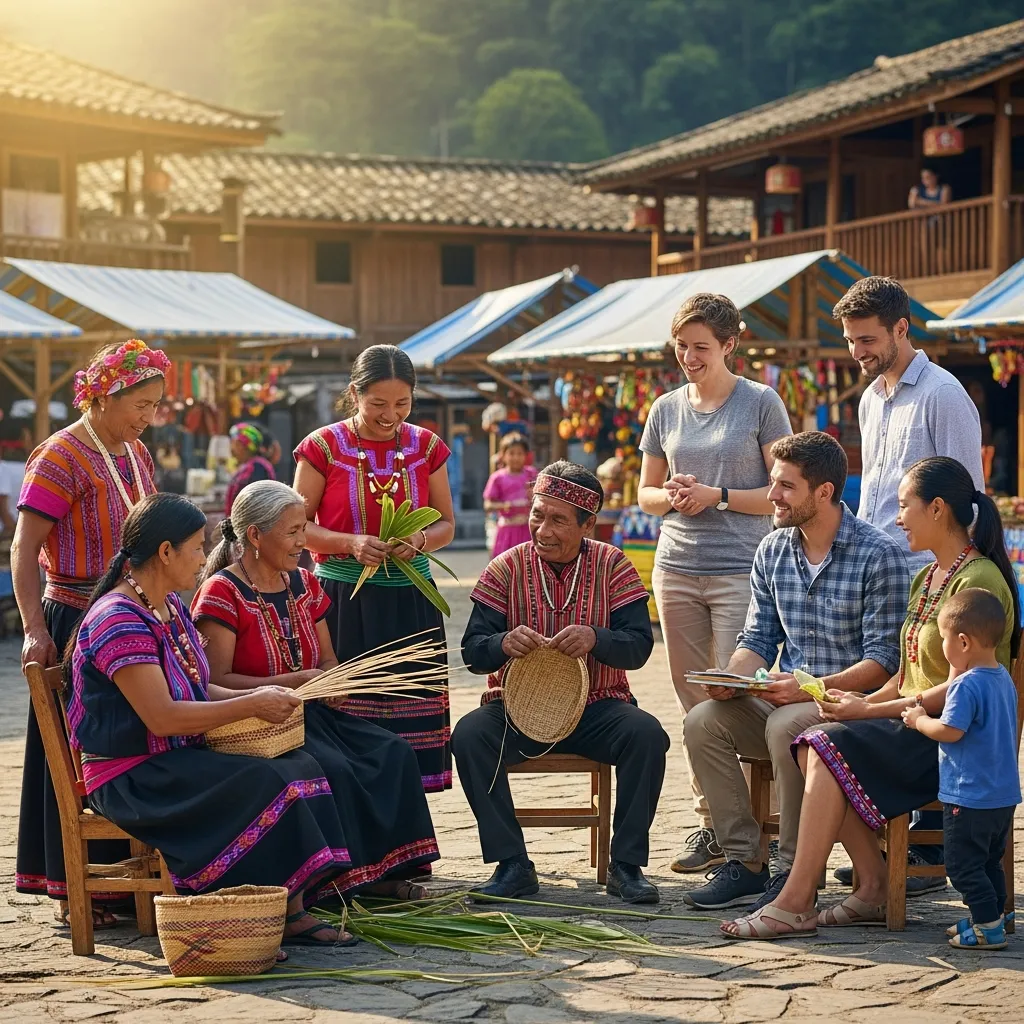
Once on the ground, your demeanor and choices determine whether you remain a welcome guest or an oblivious visitor. Follow these principles to cultivate trust and mutual respect:
Listen First, Speak Later
Prioritize active listening. Observe social cues and ask open-ended questions. Demonstrating genuine curiosity about local histories, values, and perspectives fosters deeper dialogues than rehearsed scripts or surface-level small talk.
Photography Etiquette
Always ask before photographing individuals or ceremonies. In some traditions, cameras are banned during rituals or considered intrusive. When permission is granted, take candid shots that honor the subject’s dignity rather than staged images that feel exploitative. As a gesture of goodwill, offer to share digital copies of portraits.
Mindful Body Language
Subtle gestures can carry significant weight. Research local connotations of eye contact, pointing, and personal space. In many regions, presenting or receiving items with both hands shows respect. By mirroring respectful nonverbal cues, you demonstrate cultural competence.
Appropriate Gift-Giving
Small tokens—like handcrafted trinkets, school supplies, or locally relevant items—often hold more meaning than generic souvenirs. If invited to someone’s home, ask in advance what could be useful. Thoughtful gifts can reinforce goodwill long after you’ve departed.
Ensuring Sustainability and Safety During Your Trip
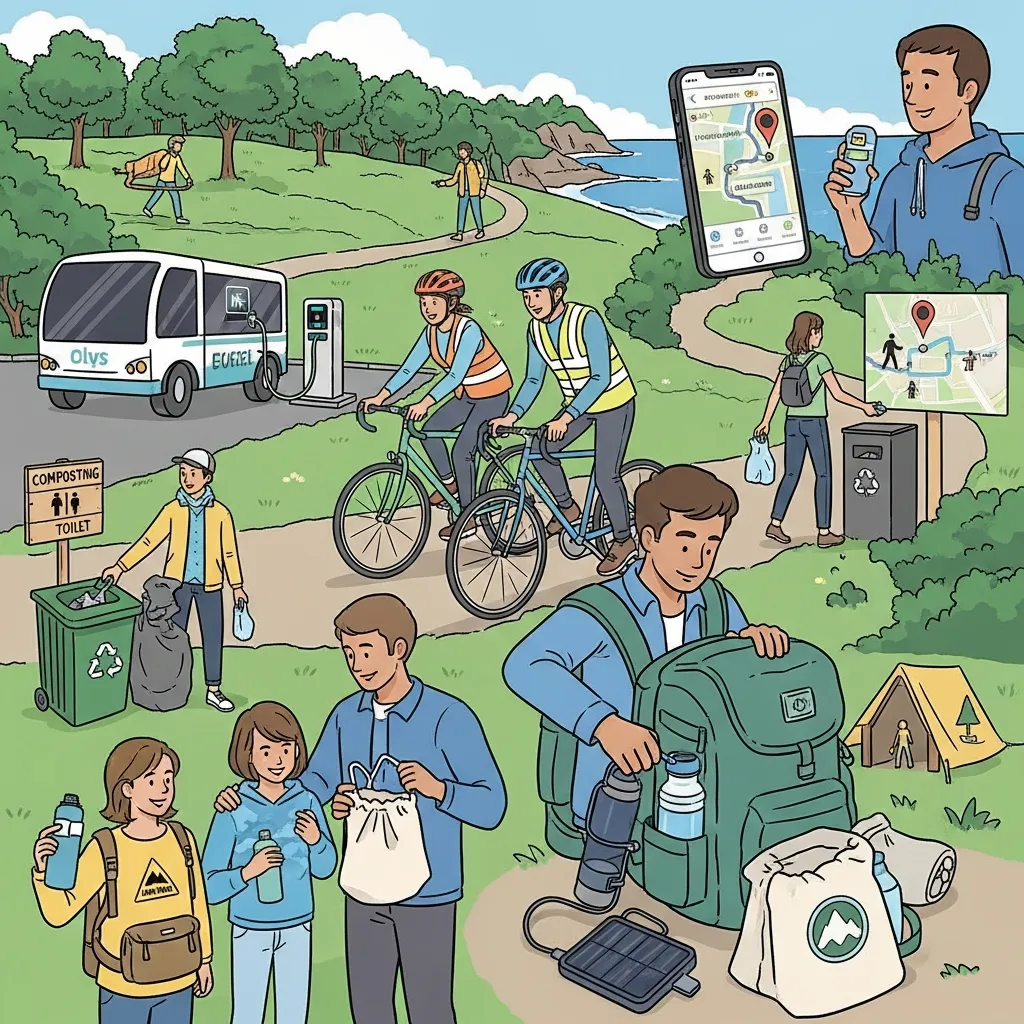
Cultural immersion thrives when communities feel supported, and travelers stay safe. Today’s conscientious explorers balance curiosity with responsibility to leave a positive footprint.
Prioritizing Environmental and Cultural Preservation
Respect protected areas and sacred sites by following designated pathways and rules. Avoid single-use plastics, and carry reusable water bottles and utensils. Sustainable lodging options—eco-lodges or certified green homestays—minimize ecological impact and often support conservation projects.
Participating Respectfully in Festivals and Ceremonies
Festivals reveal a culture’s soul, but each event has its own protocols. Learn whether certain colors are reserved for officials, if offerings must be carried in specific containers, or whether you should wait for a formal invitation before joining processions. Approach each celebration with humility, observing from the periphery until you understand its flow.
Tasting Local Flavors Safely
Sampling street foods and family-run eateries is a highlight of cultural immersion, but take common-sense precautions: choose vendors with high turnover, look for clean preparation areas, and drink bottled or purified water. Ask about ingredients to respect dietary restrictions or avoid foods considered sacred or taboo.
Staying Informed on Health and Travel Advisories
Monitor official sources such as the Centers for Disease Control and Prevention and your government’s travel advisory portal. Stay updated on vaccination requirements, local regulations, and emergency contacts. Register your itinerary with your embassy or consulate for added security. Blending in by dressing modestly and handling valuables discreetly reduces unwanted attention.
Conclusion
Cultural immersion elevates travel from mere sightseeing to a profound human exchange. By preparing meticulously, choosing community-centered experiences, and engaging with respect and awareness, you foster connections that transcend borders and stereotypes. Throughout today’s fast-paced world, these authentic interactions remind us of shared humanity and the enduring power of learning from one another.
As you plan your next journey, carry curiosity, humility, and a commitment to sustainability. In doing so, you’ll not only enrich your own life but also contribute positively to the communities you visit. Embrace cultural immersion this year, and discover how powerful travel can be when you open your heart to the world’s diverse tapestry.
Frequently Asked Questions


I’m Lewis Jude, a digital marketer and content editor passionate about helping businesses grow through smart, actionable strategies. I focus on creating content that simplifies marketing concepts, drives engagement, and delivers measurable results for brands and professionals alike.







No Comments