


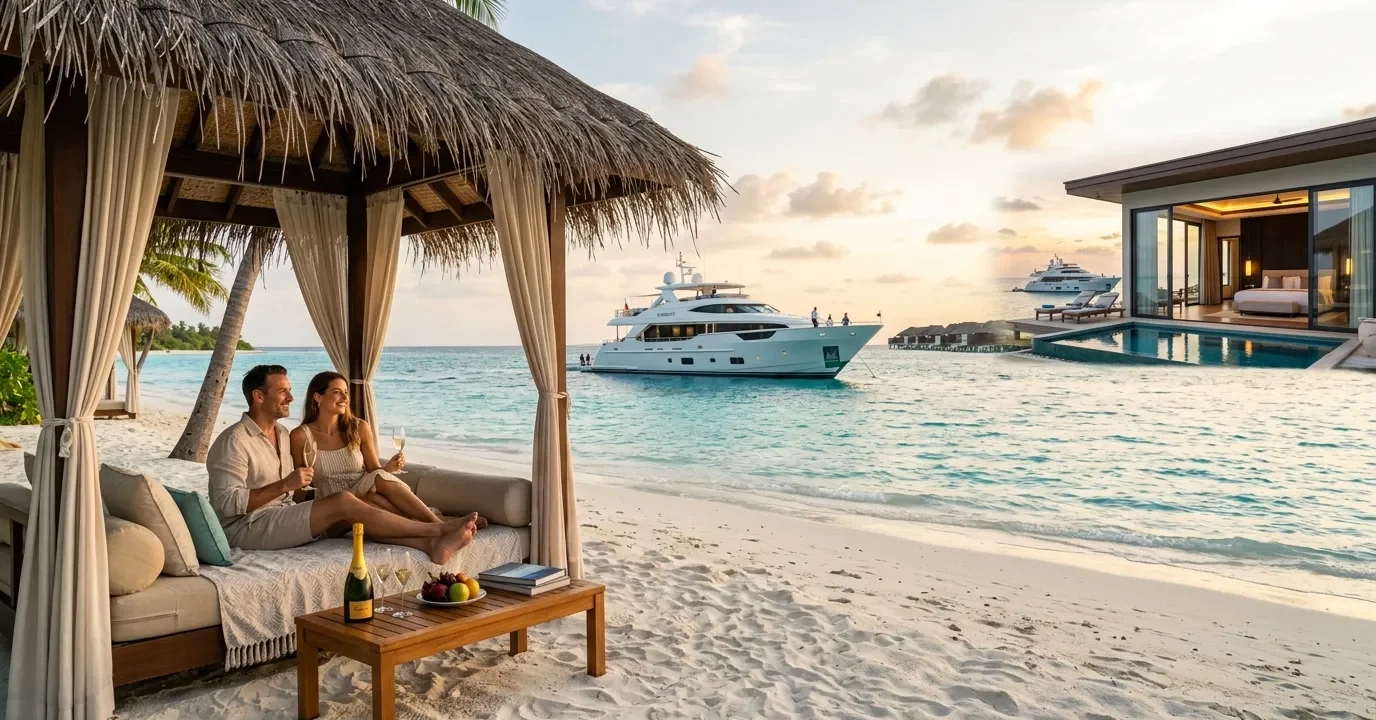
“What is luxury travel?” is a bigger question than it first appears. It represents a profound shift from collecting elite possessions to curating memorable and highly tailored experiences. Modern luxury travelers seek more than just opulent accommodations or gourmet meals—they pursue journeys marked by seamless planning, unforgettable cultural connections, and access to the extraordinary. This article explores how these priorities are rewriting the definition of luxury travel across the globe.
Curious about what is luxury travel in the contemporary world? The answer reaches far beyond lavish hotel suites or first-class flights. Today, luxury travel is an evolving concept that stands at the intersection of comfort, authenticity, exclusivity, and personalized service. If you have ever wondered how top-tier travelers experience the world, this comprehensive guide will reveal the defining traits, latest trends, and practical insights you need—all in one place.
Defining Luxury Travel: Beyond the Price Tag
Historically, luxury travel conjured images of glittering five-star hotels, private jets, white-glove service, and Michelin-star dining. While these still play a role, today’s affluent travelers are moving well beyond mere indulgence and status symbols. The new luxury traveler values something deeper—authentic discovery combined with comfort, privacy, and personalization.
High-net-worth individuals and discerning adventurers now want journeys that feel exclusive and transformative. Luxury is less about what is seen, and more about what is felt. As highlighted in research by Skift, today’s high-end consumers place a premium on discretion, flexibility, and curated experiences that are meaningful and impossible to replicate through mass tourism.
Increasingly, the emotional resonance of an experience—how it inspires, excites, relaxes, or educates—outweighs the superficial display of wealth. Memorable moments shared with loved ones in amazing settings become the new yardstick of value. If you’re asking, “what is luxury travel,” think of journeys where your preferences are anticipated, your privacy respected, and your worldview expanded.
The Key Pillars of Modern Luxury Travel
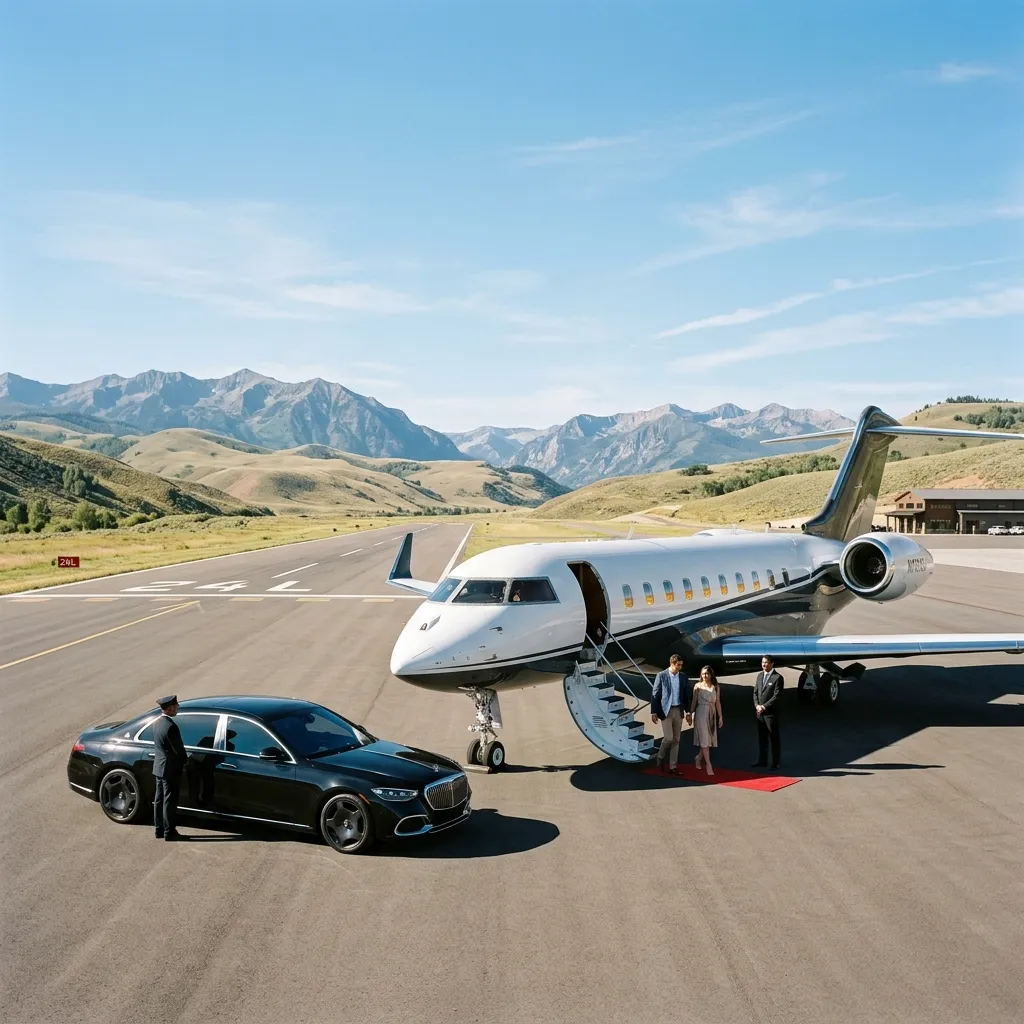
To answer “what is luxury travel,” you must understand the foundational pillars that elevate these experiences:
- Personalization: Today’s top travel providers start with your preferences—down to your favorite bottle of wine, sleep schedule, or adventure level. Customized itineraries cover everything from private art tours to vegan tasting menus, ensuring each adventure feels designed just for you.
- Exclusivity: Modern luxury travel grants behind-the-scenes access. Picture private after-hours museum tours, dinner with celebrated chefs, or entry to remote nature reserves closed to the public. Securing rare experiences and avoiding crowds is the ultimate flex.
- Seamless Service: Uninterrupted ease is non-negotiable. Private airport transfers, expedited immigration, synchronized luggage handling, and attentive concierges mean you focus on pleasure, not logistics or queues.
- Authentic Immersion: Deep engagement with local cultures, cuisines, and landscapes is a core driver for today’s luxury traveler. Immersive activities—like cooking with local families or exclusive artisan workshops—add layers of meaning that material luxury can’t match.
- Discretion and Privacy: From secluded villas to ultra-private yacht charters and remote island buyouts, delivering privacy has become essential for celebrities, executives, and families alike.
- Flexibility and Control: Luxury means changing plans on a whim, having a dedicated travel advisor on speed dial, and enjoying options custom-built around your evolving desires.
Experiential vs. Material Luxury: The Shift in High-End Tourism
For decades, “luxury travel” meant gold-plated bathroom taps, designer brands, and formal service. Yet, as global travelers have become more sophisticated, what is luxury travel has pivoted towards experiences—those unique, unrepeatable moments that forge lifelong memories.
The modern luxury traveler values learning, transformation, and connection. According to Virtuoso, immersive experiences like hands-on culinary classes, wildlife encounters, and culturally-rich adventures now outperform mere physical luxury in traveler surveys. Fine linens and caviar may still feature, but they share the stage with private safaris, once-in-a-lifetime festivals, and real connections with local communities.
This pivot echoes wider societal movements towards wellness, sustainability, and conscious consumption. A beautiful suite is a starting point—the true highlight might be a sunrise hot air balloon ride above ancient temples or a storytelling session with tribal elders.
Structured Comparison: Traditional vs. Modern Luxury Travel
How does today’s concept of what is luxury travel contrast with yesterday’s expectations? This table draws out the essential shifts:
|
Feature |
Traditional Luxury Travel |
Modern Luxury Travel |
|---|---|---|
|
Focus |
Physical amenities, brand names |
Authentic experiences, personal growth |
|
Accommodation |
Opulent five-star hotels |
Boutique eco-lodges, remote private villas |
|
Dining |
Formal fine dining restaurants |
Immersive, hyper-local culinary experiences |
|
Service |
Standardized, formal, visible |
Intuitive, invisible, hyper-personalized |
|
Status Symbol |
Displaying wealth |
Sharing rare, memorable experiences |
As you can see, the emphasis has moved from objects and display to immersion, enrichment, individuality, and the sharing of remarkable stories.
Sustainable and Conscious Luxury: The New Frontier

It is impossible to define what is luxury travel in the 21st century without addressing sustainability and ethics. Today’s affluent travelers expect their journeys to align with personal values and leave a positive impact.
Sustainable Luxury Means:
- Choosing eco-friendly or carbon-neutral properties
- Participating in conservation-based safaris or voluntourism projects
- Supporting local artisans and small communities
- Seeking out organizations that uphold fair labor and ethical animal treatment
Respected publications like Condé Nast Traveler showcase luxury camps powered by solar energy and cruises funding marine preservation. Guests are keen to give back—because enjoying untouched wilderness comes with the responsibility to help preserve it for future generations.
Luxury travel advisors and companies now position sustainable journeys as the gold standard, and travelers can use resources like our [Sustainable Tourism Checklist] to make better choices for people and planet alike.
Common Mistakes to Avoid When Planning Luxury Trips
Even equipped with knowledge about what is luxury travel, pitfalls abound. Here are common errors—and how to avoid them:
- Overpacking the Itinerary: In the quest for bucket-list moments, some travelers fill every minute. True luxury allows time for reflection and serendipity—don’t let FOMO trump well-being.
- Ignoring Local Expertise: Booking everything online skips the connections, upgrades, and unique opportunities a specialist can provide. Lean on experts for hard-to-access perks.
- Chasing Style Over Substance: Sometimes, a famous hotel brand or glitzy restaurant gets more attention than it deserves. An off-the-radar boutique with a passion for service can easily surpass generic luxury chains.
- Neglecting Travel Insurance: Major investment deserves robust coverage. The right policy shields you from loss, medical emergencies, or itinerary changes—especially on exclusive or remote adventures.
- Forgetting the Value of Privacy: Booking with mass-tour operators or in crowded destinations may unintentionally violate your desire for privacy and exclusivity. Seek experiences with built-in privacy.
Pro Tips for Maximizing Value in the Luxury Sector
Want to get the most from your high-end trip? Here are insider strategies:
- Leverage Expert Travel Advisors: Established advisors access upgrades, closed events, early check-ins, and VIP experiences. Their global contacts open doors not found online.
- Travel During Shoulder Season: Visit before or after peak times. You’ll enjoy better service, prime weather, less-crowded attractions, and sometimes lower prices, all without compromising quality. For tips, review our [Shoulder Season Travel Strategy].
- Embrace Private Guides: Private, deeply knowledgeable guides unlock local secrets and tailor tours to your interests—transforming classic sightseeing into exceptional education.
- Prioritize Experiences: Allocate budget towards unique activities over lavish “extras” you can buy anywhere. A private stargazing night in the Sahara or cooking side-by-side with a world-class chef will be far more memorable than a gold-plated bathtub.
- Invest in Pre-trip Preparation: Letting your advisor know about your hobbies, passions, and food preferences unlocks opportunities for surprise upgrades and specialized experiences.
Your Next Steps in High-End Tourism
Now that you know what is luxury travel and how it has evolved, you stand at the threshold of journeys that can enrich your life and worldview in extraordinary ways. Whether celebrating a milestone, planning a wedding, hosting a retreat, or simply chasing inspiration, luxury travel helps you connect with the world in the most elevated fashion possible.
Embrace exclusivity, prioritize authentic engagement, and trust in the power of personalized expertise. If you are ready to transform your approach to travel, reach out to our team of seasoned travel designers—we’re passionate about leading you toward your next unforgettable adventure.
FAQs
1. What is luxury travel exactly?
At its core, luxury travel means highly personalized, exclusive, and frictionless journeys with an emphasis on emotional resonance, comfort, and transformational experiences—not just expensive hotels or premium airline seats.
2. How much does luxury travel cost?
Costs vary dramatically. A luxurious weekend break might be $3,000, but an extended African safari, specialized expedition, or private jet journey could total well into six or even seven figures. The focus is always the value of the experience rather than price alone.
3. Do I need a travel agent for luxury travel?
While you can book on your own, partnering with a specialist luxury advisor unlocks privileged access, exclusive amenities, upgrades, event invitations, and 24/7 support that online booking can never match.
4. What is luxury travel in the context of sustainability?
Sustainable luxury puts environmental and social responsibility alongside comfort. Luxury properties may offset their carbon footprint, employ locals, and support conservation work—so travelers can enjoy guilt-free indulgence.
5. Are luxury cruises worth the money?
Absolutely. High-end cruises deliver extraordinary value in their all-suite accommodations, curated shore excursions, exceptional cuisine, and small-ship access to secluded ports others can’t reach—often with all-inclusive pricing for worry-free journeys.
6. What is luxury travel for families?
Luxury family trips mean eliminating hassles: private homes or villas, expert childcare, personal chefs, educational or engaging activities, and the chance to explore together without compromising on comfort or privacy.
7. How do luxury hotels differ from regular 5-star hotels?
Regular five-star hotels offer excellent amenities, but luxury hotels create individually curated, highly private experiences with pre-arrival customization, intuitive staff, and unique design—making every stay a one-off event.
8. What is luxury travel insurance, and do I need it?
Definitely. Luxury travel insurance protects big investments with higher coverage limits for cancellations, medical evacuations, and bespoke elements like private charters or special events. Unexpected disruptions become minor setbacks, not disasters.
9. Can adventure travel be considered luxury?
Yes! A luxury adventure trip combines top-tier comfort—think private guides, luxe equipment, and gourmet camp cuisine—with the thrill and exclusivity of exploring places like the Galápagos, Mongolia, or Antarctica.
10. How is technology changing luxury travel?
Digital innovation is revolutionizing high-end travel. From biometric security checks and AI-curated itineraries to instant communication with concierges on encrypted platforms, modern tech enhances privacy, convenience, and smooth service.


I’m Plabon, Editor at TravelLuxuryS.com. With a passion for luxury travel and unforgettable experiences, I create content that inspires travelers to explore the world in style. At Travel Luxury S, my goal is to share guides, tips, and curated recommendations that help readers plan extraordinary journeys and make every trip truly memorable.




No Comments