


In today’s digital landscape, culinary travel has emerged as a compelling way to forge authentic connections with cultures beyond postcards and photographs. This year, adventurous eaters and curious explorers are seeking out local flavors to unlock hidden narratives woven into every dish.
Whether you find yourself savoring freshly rolled sushi in a Tokyo back alley or sampling fiery salsa at a Mexico City street market, the journey between ingredients and traditions offers unforgettable memories. Planning a food-centric expedition demands more than just appetites; it requires strategic research, openness to serendipity, and respect for local practices.
Throughout this guide, you will learn how to craft an itinerary that balances must-visit markets, renowned restaurants, and spontaneous pop-up stalls. We will also cover essential safety precautions recommended by the CDC Travel Health, sustainable choices endorsed by global institutions, and budgeting techniques to maximize every mouthwatering moment. Packed with tips on language basics, packing essentials, and insider etiquette, our article equips you to navigate foreign food scenes like a seasoned pro.
Whether you dream of intern-level cooking classes at a prestigious culinary school or plan to chase street-food carts across continents, this comprehensive roadmap ensures that your next escape is a feast for the senses—and a celebration of culture itself. By the end, you’ll feel ready to trek through spice markets, savor street-food classics, and raise a glass to the diverse traditions that flavor our world. Your culinary travel odyssey begins now.
Planning Your Culinary Travel Adventure

Embarking on a culinary travel adventure begins with thorough research and realistic planning. Today’s food-focused journeys rely on a blend of digital tools and local insights to reveal authentic experiences off the beaten path. Start by browsing travel forums, food blogs, and social media communities dedicated to regional gastronomy. Use offline map apps to pinpoint must-visit markets, acclaimed eateries, and humble street stalls that may not appear in mainstream guides. Bookmark articles from university-based food studies departments or government tourism sites to deepen your understanding of regional specialties and peak seasons for ingredients.
Research and Itinerary Building
Construct a flexible schedule around notable food hubs—market lanes overflowing with produce, centuries-old bakeries, or waterfront seafood quarters—while preserving gaps for impromptu discoveries. Cross-reference opening hours, local festivals, and reservation windows, especially if you plan to visit Michelin-rated establishments. In lieu of a strict timetable, chatting with bartenders, hostel staff, or artisan vendors can yield hidden gems. Keep in mind that the local lunch rush often signals the freshest offerings, so timing your visits can be as crucial as the destination itself.
Packing Essentials and Preparation
Travel light but wisely. A sturdy pair of walking shoes ensures you can roam market aisles and alleyways with ease. Refillable water bottles and hand sanitizer are indispensable, particularly when sampling snacks at open-air stalls. If you have allergies or dietary constraints, prepare a compact translation card explaining your needs in the local language. Packing a basic first-aid kit with antacids and rehydration salts allows you to address common travel ailments swiftly.
Language, Customs, and Dietary Needs
Familiarize yourself with key phrases tied to common ingredients and allergens; this small step can avert uncomfortable misunderstandings. Learn customary dining practices—communal bread tearing in the Mediterranean or the etiquette of sharing small plates in Southeast Asia. Such nuances not only show respect but also foster camaraderie with hosts and fellow diners, enriching your overall experience.
Reservations and Seasonal Considerations
For high-end venues, plan bookings months in advance, aligning visits with seasonally abundant ingredients. Peak harvest festivals often mark prime times for certain produce or regional specialties, so check agricultural calendars from sources like the United Nations Food and Agriculture Organization. Conversely, off-season travel can yield quieter dining scenes and more budget-friendly rates without sacrificing flavor or variety.
Exploring Street Food Around the Globe
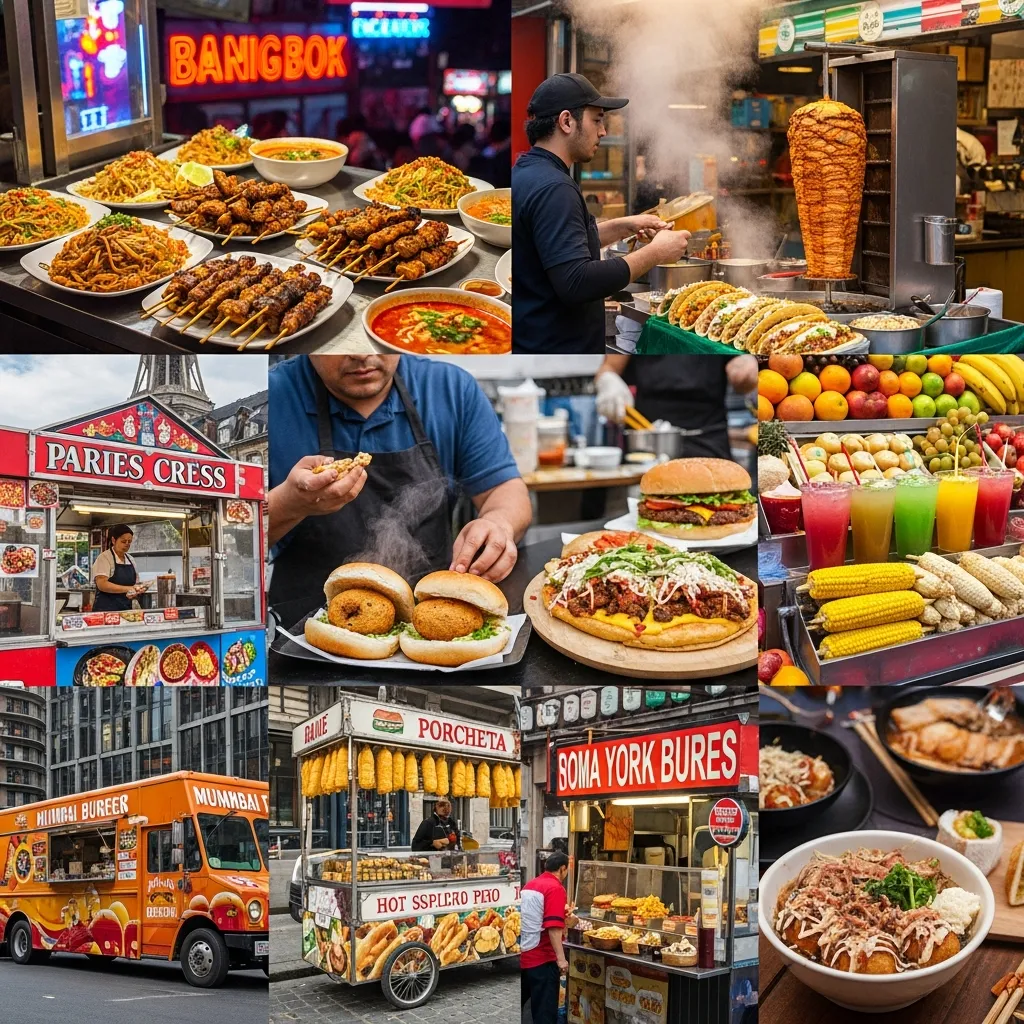
One hallmark of culinary travel is the thrill of street food, where vibrant markets and humble carts tell the story of everyday life. Across Asia, Latin America, and beyond, street eats offer a direct line to local flavors, storytelling, and community traditions.
Asia’s Vibrant Street Scenes
In Bangkok, sizzling pad thai is whipped up on charcoal stoves, while vendors layer mango sticky rice with sweet coconut cream. Mumbai’s lanes brim with vada pav (spiced potato sandwiches) and pav bhaji (rich vegetable stew on buttered buns). Tokyo’s yokocho alleys offer kushikatsu (deep-fried skewers) and izakaya snacks alongside sake, and Taipei’s night markets deliver stinky tofu, bubble tea, and gleaming trays of xiaolongbao. When exploring, keep cash on hand—card acceptance can be rare—and follow local lunchtime crowds for the freshest bites.
Latin America’s Flavorful Offerings
Mexico City’s streets are dotted with tacos al pastor, featuring marinated pork and pineapple on hand-pressed tortillas. In Lima, cebiche carts serve fresh-caught fish cured in lime juice and spiced with aji peppers. Arepas and empanadas fill Colombian stands, while Central American pupusas blend cheese, beans, and meat in maize dough. Seek neighborhood markets for authentic midday eats and ask regulars for stand-out specialties.
Middle East, Africa, and Beyond
Istanbul’s simit rings and çiğ köfte balls arrive alongside steaming glasses of Turkish tea. In Marrakech, spice-scented tagines simmer at open-air stalls, with grilled kebabs and mint tea completing the feast. South Africa’s bunny chow (curry in hollowed bread) and Ethiopia’s injera-based communal platters showcase bold flavors and centuries-old cooking methods. Exploring these regions illuminates how street fare can simultaneously serve as sustenance and cultural expression.
Tips for Safe and Authentic Sampling
Choose busy vendors—high turnover equals fresher ingredients. Avoid stalls with lingering vehicles or questionable hygiene. If water quality is uncertain, skip ice or opt for bottled beverages. Brush up on health and sanitation guidelines from authoritative sources like the CDC. Don’t hesitate to ask locals for recommendations; sometimes the best discoveries come from a friendly neighbor’s tip.
Fine Dining and Unseen Local Gems
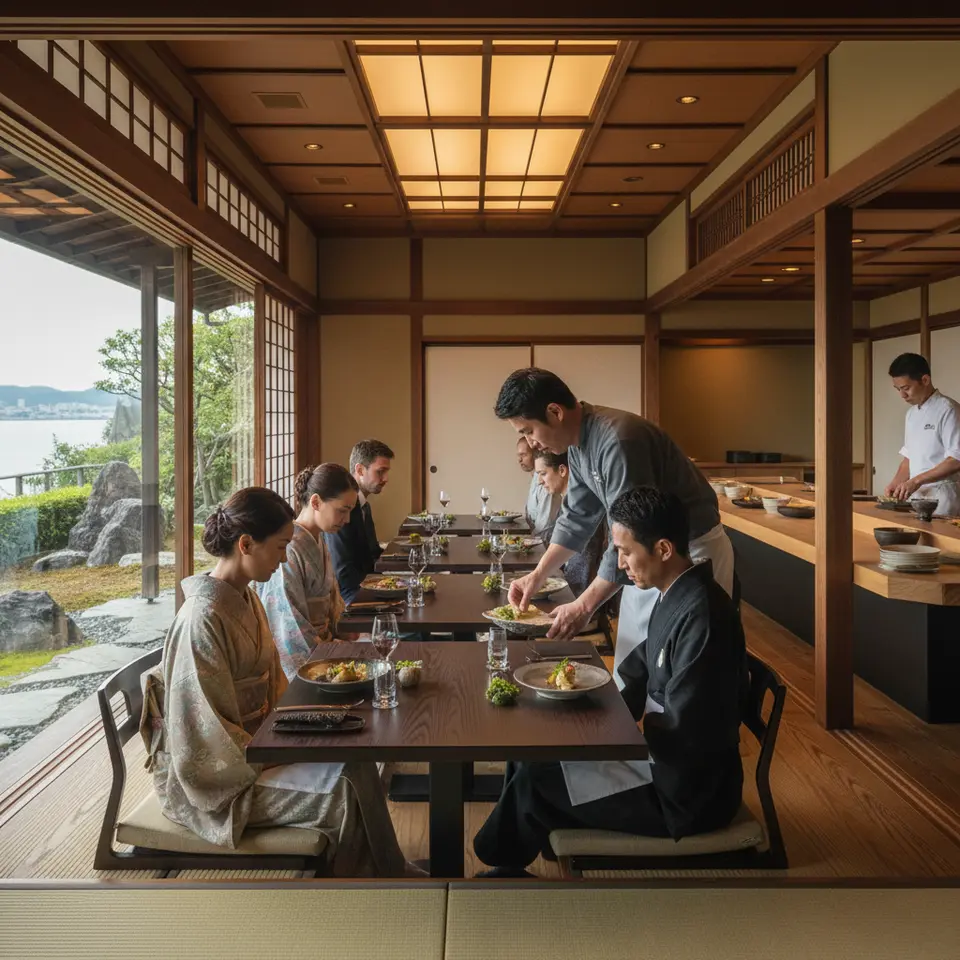
While street eats deliver authenticity and value, fine dining establishments and hidden neighborhood spots showcase culinary innovation and time-honored family recipes.
Securing Reservations at Top Restaurants
Culinary capitals such as Copenhagen, Tokyo, and San Sebastián have earned global acclaim for their Michelin-starred venues. At Copenhagen’s waterfront district, Noma pioneered New Nordic cuisine with foraged ingredients and minimalist presentations. Tokyo boasts kaiseki houses and sushi omakase counters where chefs craft seasonal menus with precision. In Spain’s Basque Country, avant-garde pintxos bars coexist alongside tasting menus that marry local products with modern techniques. To dine here, plan reservations at least three to six months ahead, secure a credit-card guarantee, and respect dress codes.
Discovering Hidden Neighborhood Treasures
Major cities also harbor low-key eateries beloved by locals but overlooked by tourists. In Paris, venture into Belleville for family-run boulangeries and authentic North African bistros. In Rome’s Trastevere district, narrow lanes reveal rustic osterias serving cacio e pepe and suppli fritti. New York City’s Queens boroughs hide Korean BBQ in Flushing and Caribbean flavors in Jamaica. Asking baristas, hairdressers, or hosts for their go-to spots often leads to memorable, crowd-free meals.
Balancing Splurge and Simplicity
To fully embrace culinary travel, blend one or two high-end evenings with casual outings at neighborhood taverns. This approach highlights contrasts in atmosphere, service style, and creativity, illustrating the full spectrum of a region’s gastronomic identity.
Festivals, Markets, and Budget-friendly Strategies
Timing your trip around food-related events and exploring public markets can add depth to any culinary travel itinerary—without breaking the bank.
Must-Attend Festivals and Celebrations
Global festivals showcase local harvests and time-honored rituals. Spain’s La Tomatina in Buñol offers sun-soaked paella parties amid tomato fights, while Japan’s cherry blossom season fills parks with sakura-themed street foods and outdoor izakaya gatherings. The Oaxaca Mole Festival celebrates intricate sauces passed down through generations, and Thailand’s Vegetarian Festival features altars serving vegan versions of seafood and sweet treats. Attending these events immerses you in communal customs and often includes cooking demonstrations and tastings.
Exploring Local Food Markets
Public markets serve as vibrant epicenters of daily life. From Barcelona’s La Boqueria to Marrakech’s Jemaa el-Fna, stalls overflow with produce, spices, and snacks. Chatting with vendors about seasonal specialties—like Italian white truffles or West African jollof rice ingredients—deepens appreciation for local agriculture. Sampling small bites along the way makes for an economical moving feast.
Budgeting and Money-Saving Tips
Street eats and market stalls often represent the best value, with hearty, flavorful dishes costing a fraction of restaurant menus. Allocate splurge funds for one or two tasting menus while relying on casual stands for most meals. Leverage city tourism cards or dining apps offering discounts and happy-hour specials. Traveling off-peak—outside major tourism waves—can reduce accommodation and flight costs by up to 30%, yet ingredients remain fresh and seasonal year-round.
Sustainable, Healthy, and Respectful Eating
Responsible culinary travel combines environmental care, personal well-being, and cultural sensitivity.
Embracing Sustainable Practices
Opt for eateries prioritizing farm-to-table sourcing, fair wages, and minimal waste. Seek cooperatively run food stalls or social enterprises that reinvest proceeds into local communities. Bring reusable utensils, containers, and cloth napkins to reduce single-use plastics. When shopping for spices, coffee, or artisanal goods, look for direct-trade certifications to ensure ethical production.
Health, Safety, and Hygiene
Protect yourself by choosing busy vendors—high turnover often means fresher ingredients—and avoiding ice or uncooked toppings if water quality is in doubt. Carry a small medical kit with antacids and oral rehydration salts, and follow health advisories maintained by institutions like the CDC. Staying informed about vaccinations and local sanitation standards keeps culinary travel rewarding rather than regrettable.
Cultural Etiquette and Respect
Understanding dining norms shows appreciation for host communities. Remove shoes in settings that require it, use the correct utensils or hands where appropriate, and never stick chopsticks vertically into rice in Asian cultures. Factor tipping customs into your budgeting—some countries include service, while others expect 10–15%. Above all, approach new flavors with an open mind; some of the most transformative meals come from dishes you never thought you’d try.
Culinary travel transcends mere sustenance; it weaves together history, geography, and personal connection in every bite. From dawn visits to bustling markets to candlelit dinners at renowned restaurants, each meal offers insight into a community’s identity and traditions. Equipped with thoughtful planning strategies, safety guidelines, sustainable choices, and budgeting tips, you can embark on your own epicurean odyssey confidently. Embrace spontaneity as you chase hidden street carts, savor festival specialties, and discover tucked-away family-run eateries. Whether you’re forging new friendships over shared plates or capturing flavors that linger long after you return home, your journey through global cuisines promises to be as enriching as it is delicious. Bon voyage and buon appetito!
FAQ
How can I ensure street food is safe to eat?
Choose vendors with high customer turnover—fresh ingredients and rapid cooking reduce contamination risk. Avoid stalls with questionable hygiene or stagnant water sources, and opt for cooked dishes over raw items if water quality is uncertain. Carry hand sanitizer and consider bringing a small medical kit with antacids and rehydration salts for peace of mind.
What’s the best way to budget for a culinary travel trip?
Balance your spending by mixing street-food meals and market snacks with one or two higher-end dining experiences. Use city tourism cards or dining apps for discounts and hunt for happy-hour specials. Traveling off-peak can cut accommodation and flight costs by up to 30%, freeing up more funds for memorable food experiences.
How do I find authentic, off-the-beaten-path food spots?
Engage with locals—bartenders, hostel staff, and neighborhood shopkeepers often share hidden gems. Join regional food forums and social media groups, and bookmark university or government tourism sources for deeper insights. Wander side streets and open-air markets where tourists rarely tread; spontaneity often leads to the most memorable meals.


I’m Plabon, Editor at TravelLuxuryS.com. With a passion for luxury travel and unforgettable experiences, I create content that inspires travelers to explore the world in style. At Travel Luxury S, my goal is to share guides, tips, and curated recommendations that help readers plan extraordinary journeys and make every trip truly memorable.







No Comments