


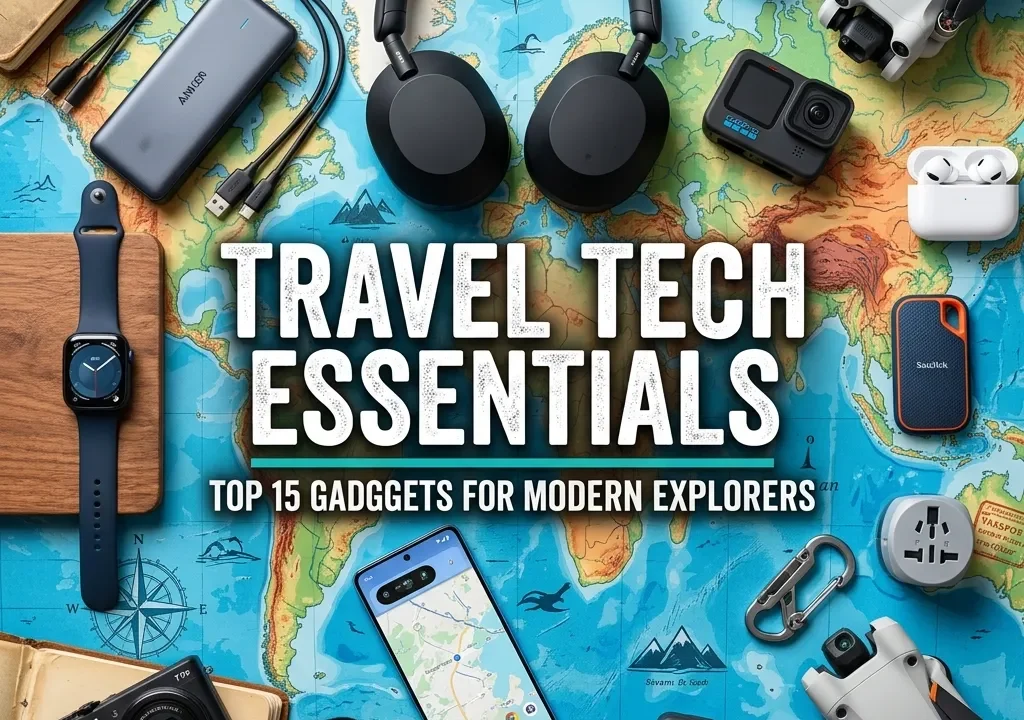
In today’s digital landscape, travel tech essentials have become indispensable tools for anyone looking to explore the world with confidence and convenience. As a modern explorer, you’re more than a tourist—you’re a digital citizen navigating through unfamiliar cities, remote trails, and global marketplaces.
This year, technology is reshaping every aspect of our journeys, from the moment we step out the door to the instant we share memories with friends and family back home. The right gear not only enhances safety and productivity but also ensures you capture every breathtaking moment without interruption.
Whether you’re planning a weekend getaway or embarking on a year-long expedition, understanding which gadgets to pack can make all the difference. From power sources that keep you online in remote locations to lightweight devices that double as navigational aids, the selection of travel tech essentials you choose will directly impact your trip’s quality. In this guide, we break down the top gadgets that travelers currently rely on to stay charged, connected, and secure around the globe. We’ll also explore ways to keep your setup eco-friendly and budget-savvy, drawing on insights from authoritative sources like CDC Travel Health and the National Institute of Standards and Technology. Let’s dive into the must-have technology that will transform your travel experience today.
Essential Power and Wearable Gadgets

One of the core pillars of any travel tech setup is reliable power. Dead batteries can derail plans and leave you stranded without navigation, communication, or entertainment. That’s why a high-capacity power bank is a non-negotiable item for modern explorers. Look for units with at least 20,000mAh capacity and USB-C Power Delivery (PD) support. This standard allows fast charging of smartphones, tablets, and even some laptops, ensuring you spend less time tethered to an outlet.
In addition to power banks, wearable technology has climbed to prominence in travel circles. Smartwatches and fitness trackers not only monitor health metrics like heart rate, sleep patterns, and step counts but also provide discreet notifications that save you from hauling out your smartphone in crowded areas. Many models offer built-in GPS, offline map storage, and emergency SOS functions—features that can be lifesavers on remote hikes or urban expeditions.
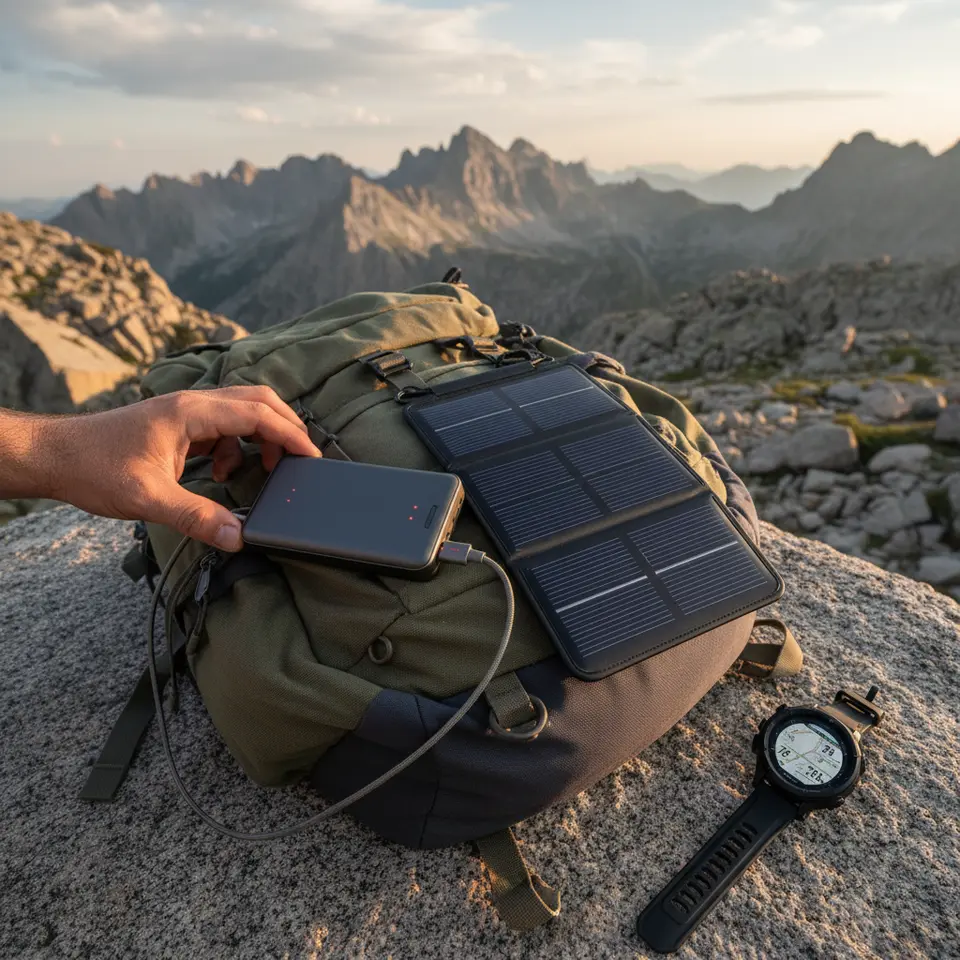
For added versatility, consider power banks that double as hand warmers for chilly climates or solar chargers that harness sunlight when outlets aren’t available. Solar panels with integrated battery packs can fully recharge a phone after several hours of bright sun exposure, making them ideal for long treks. Combining these wearable and power solutions ensures you’ll stay charged and prepared for any scenario in today’s fast-paced travel environment.
Connectivity and Communication Tools
Maintaining a dependable internet connection is critical for accessing maps, booking accommodations, and keeping in touch with loved ones. Relying on unsecured public Wi-Fi networks can expose you to privacy risks, so most savvy travelers opt for a portable pocket Wi-Fi device or a global eSIM service. Pocket routers typically support multiple bands and can connect up to ten gadgets simultaneously, perfect for group trips or multi-device households.
Global eSIM subscriptions eliminate the need to hunt down local SIM cards, automatically switching between regional carriers to deliver optimal coverage. Many plans let you adjust data packages on-the-fly, so you only pay for what you need. This flexibility is especially useful in countries where traditional roaming fees can quickly escalate.
For real-time conversations in foreign tongues, consider a dedicated translation gadget or earbuds equipped with AI-driven processors. These tools can instantly decode spoken language, facilitating seamless communication and cultural immersion. In today’s interconnected world, having a reliable translator in your pocket can enhance negotiations, dining experiences, and spontaneous interactions, making every moment more meaningful.
Imaging, Audio, and Recording Devices
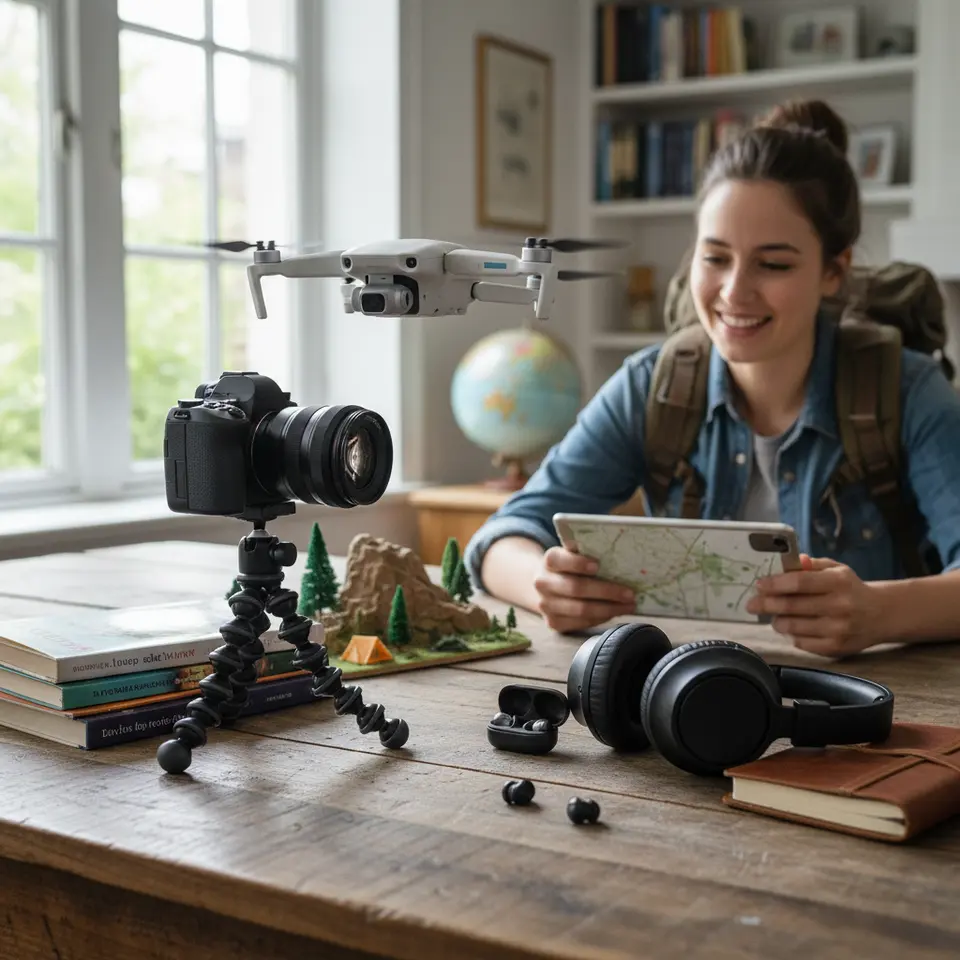
Capturing high-quality photos and videos is a top priority for many travelers. While smartphone cameras have greatly improved, dedicated mirrorless cameras offer superior image sensors, interchangeable lenses, and manual control options. Lightweight models from top brands balance performance with portability, so you won’t regret packing that extra lens. Add a compact tripod or flexible gorillapod to stabilize long exposures and panoramic shots.
For aerial perspectives, a travel-friendly drone like the DJI Mini series is hard to beat. Weighing under 250g, these drones bypass many regulatory hurdles and fold down to fit inside a small daypack. Always verify local drone restrictions before takeoff, and carry extra batteries and ND filters for diverse lighting conditions.
On the audio side, noise-canceling headphones transform noisy airports, trains, and cafes into personal soundscapes. Over-ear models with adjustable ANC (Active Noise Cancellation) deliver immersive music and podcast experiences, while true wireless earbuds offer compact convenience. Look for options with long battery life and quick-charge features to keep you entertained through delays and layovers.
Organization and Safety Innovations
Staying organized and safe enhances every trip. Smart packing cubes compress clothing and separate essentials, minimizing closet-style mess in your suitcase. Digital luggage scales help you avoid surprise overweight fees at check-in, letting you redistribute weight before you arrive at the airport. Similarly, RFID-blocking passport holders protect sensitive data from electronic pickpocketing in busy transit hubs.
For item recovery, Bluetooth trackers can be slipped into bags, wallets, or keychains, offering real-time location tracking via your smartphone. Combined with geofencing alerts, these tools can notify you if you accidentally leave behind an important possession. On the security front, slash-proof backpacks and portable travel safes deter opportunistic thieves, while wearable personal alarms provide peace of mind when you’re exploring after dark.
Emergency readiness also involves practical accessories: a compact first-aid kit, a multi-tool, and a travel-size flashlight or headlamp. Packing these small but essential items alongside your tech gadgets creates a layered approach to safety that caters to both routine exploration and unexpected challenges.
Sustainable, Budget, and Future Tech Trends
As eco-friendly travel gains momentum, selecting sustainable gadgets becomes a priority. Solar-powered chargers, cables made from recycled materials, and modular power banks that allow component replacement can significantly reduce electronic waste. Some companies now offer product take-back programs, ensuring device end-of-life components are properly recycled.
Travellers on a tight budget don’t have to sacrifice quality. Refurbished devices and last-year models often deliver performance comparable to flagship gadgets at a fraction of the cost. Rental services for cameras, drones, and Wi-Fi hotspots can further cut expenses, making high-end travel tech more accessible.
Looking ahead, the future of travel tech essentials includes innovations like AI-powered translation earbuds, foldable e-ink tablets designed for outdoor reading, and biometric room access in smart hotels. With 5G rollouts expanding worldwide, expect even more seamless connectivity and lower latency for real-time remote work and streaming. Embracing these emerging tools today prepares you for tomorrow’s adventures, ensuring that you’ll remain at the forefront of modern exploration.
Conclusion
Equipping yourself with the right travel tech essentials transforms each expedition into a safer, more efficient, and unforgettable experience. From portable power banks and wearable health trackers to portable Wi-Fi routers and professional imaging equipment, every gadget plays a distinct role in elevating your journey. Organizational tools and safety devices safeguard your belongings and personal well-being, while sustainable and budget-friendly options help minimize impact and costs. By staying informed about emerging trends like AI translation and biometrics, you can prepare for the next wave of innovations. In today’s dynamic travel environment, thoughtful selection and smart use of technology empower you to roam further, connect deeper, and document your story in vivid detail—all without limits.
FAQ
What power bank capacity should I choose for extended trips?
Opt for a power bank with at least 20,000mAh capacity and USB-C Power Delivery support. This ensures you can recharge smartphones, tablets, and even some laptops multiple times without finding an outlet.
How can I stay connected without incurring high roaming fees?
Use a portable pocket Wi-Fi device or subscribe to a global eSIM service. Both options deliver secure, on-demand internet access and eliminate expensive roaming charges.
Is it worth investing in a travel drone?
Lightweight drones under 250g, like the DJI Mini series, offer aerial photography without stringent regulations. Just remember to check local UAV restrictions and carry extra batteries for longer flights.
How can I make my travel tech setup more sustainable?
Choose solar-powered chargers, recycled-material cables, and modular devices with replaceable components. Consider refurbished gadgets or rental services to reduce electronic waste and your environmental footprint.
What are the most important travel tech essentials for beginners?
First-time travelers should prioritize a reliable power bank, universal travel adapter, portable Wi-Fi or eSIM service, noise-canceling headphones, and a secure backpack with RFID protection. These essentials improve convenience, connectivity, and safety during any journey.
Why is a universal travel adapter necessary?
Different countries use different plug types and voltage systems. A universal travel adapter allows travelers to charge devices safely across multiple regions without carrying several chargers or converters.
Are smartwatches useful during travel?
Yes, smartwatches provide navigation, fitness tracking, emergency alerts, and quick notifications without constantly checking your phone. Many models also include offline maps and GPS features ideal for outdoor adventures.
How do Bluetooth trackers help travelers?
Bluetooth trackers help locate lost luggage, wallets, keys, or backpacks using smartphone apps. Some trackers also send alerts if you accidentally leave important items behind in airports, taxis, or hotels.
What is the benefit of using a global eSIM while traveling?
A global eSIM provides instant mobile connectivity across multiple countries without replacing physical SIM cards. It also helps travelers avoid expensive roaming fees and easily manage flexible data plans.
Which camera is best for travel photography?
Compact mirrorless cameras are popular among travelers because they combine professional image quality with lightweight portability. Many creators also prefer travel-friendly drones like the DJI Mini 4 Pro for aerial photography and cinematic video capture.
How can travelers protect their data while abroad?
Use VPN services, avoid unsecured public Wi-Fi, enable two-factor authentication, and store important files in encrypted cloud storage. RFID-blocking wallets and password managers also improve cybersecurity during travel.
What are the best eco-friendly travel gadgets?
Eco-conscious travelers often choose solar-powered chargers, reusable smart water bottles, recycled-material cables, and modular electronics with replaceable parts. These gadgets help reduce electronic waste and environmental impact.
Are refurbished travel gadgets worth buying?
Refurbished devices from reputable sellers can offer excellent performance at significantly lower prices than brand-new models. Many refurbished smartphones, cameras, and tablets include warranties and quality inspections.
What future travel technology trends should travelers watch?
Emerging innovations include AI-powered translation earbuds, biometric hotel check-ins, foldable e-ink devices, smart luggage with GPS tracking, and faster global connectivity powered by expanding 5G networks.


I’m Lewis Jude, a digital marketer and content editor passionate about helping businesses grow through smart, actionable strategies. I focus on creating content that simplifies marketing concepts, drives engagement, and delivers measurable results for brands and professionals alike.







No Comments