


In today’s fast-paced world, culinary travel has become a powerful way to connect with global cultures through taste, aroma, and tradition. Instead of simply ticking off famous landmarks, food-focused explorers immerse themselves in bustling markets, join hands-on cooking sessions in home kitchens, and savor time-honored recipes passed down through generations.
This year, travelers seek more than snapshots—they crave authentic flavor journeys that engage all the senses. From the heady scent of spices in an open-air souk to the comforting warmth of a family-run trattoria, each bite tells a story about local history, geography, and community.
As culinary travel gains momentum in today’s digital landscape, savvy vacationers plan trips that highlight regional specialties, seasonal harvests, and food-centric celebrations. Whether you’re a dedicated epicurean or a curious newcomer, building an itinerary around restaurants, street-food stalls, and cooking workshops can transform a simple getaway into a gourmet odyssey. This comprehensive guide will walk you through selecting destinations based on flavor profiles, budgeting wisely, staying safe, and honoring cultural customs—ensuring your next culinary adventure leaves an indelible mark on both palate and memory.
Why Culinary Travel Should Be Your Next Adventure
Culinary travel offers a gateway to understanding societies from the inside out. When travelers sample signature dishes, they taste centuries of migration, trade, and adaptation that forged unique regional cuisines. The lively hum of a seafood market, the vivid colors of farm-fresh produce, and the intimate atmosphere of home-style eateries all contribute to a richer impression of place. Through food, you participate in a communal ritual that bridges language barriers and fosters genuine connections.
Moreover, choosing culinary travel encourages exploration beyond typical tourist districts. You might find yourself weaving through narrow alleyways in search of a legendary noodle stall or bargaining with spice vendors at dawn. These off-the-beaten-path experiences yield unexpected discoveries—like a tiny patisserie run by fourth-generation artisans or a hidden rooftop café overlooking a city skyline. This immersive approach turns travel into active cultural exchange rather than passive observation.
Today’s gourmands also recognize the importance of sustainable and responsible tourism. By supporting family-owned establishments and local producers, you help preserve traditional practices and bolster community livelihoods. As global interest in gastronomy surges, conscientious culinary travelers can make a positive impact, ensuring future generations continue to enjoy authentic flavors. With careful planning and open-minded curiosity, your next trip can blend epicurean delight with cultural respect, leaving a lasting legacy for both host communities and yourself.
Planning Your Gourmet Adventure
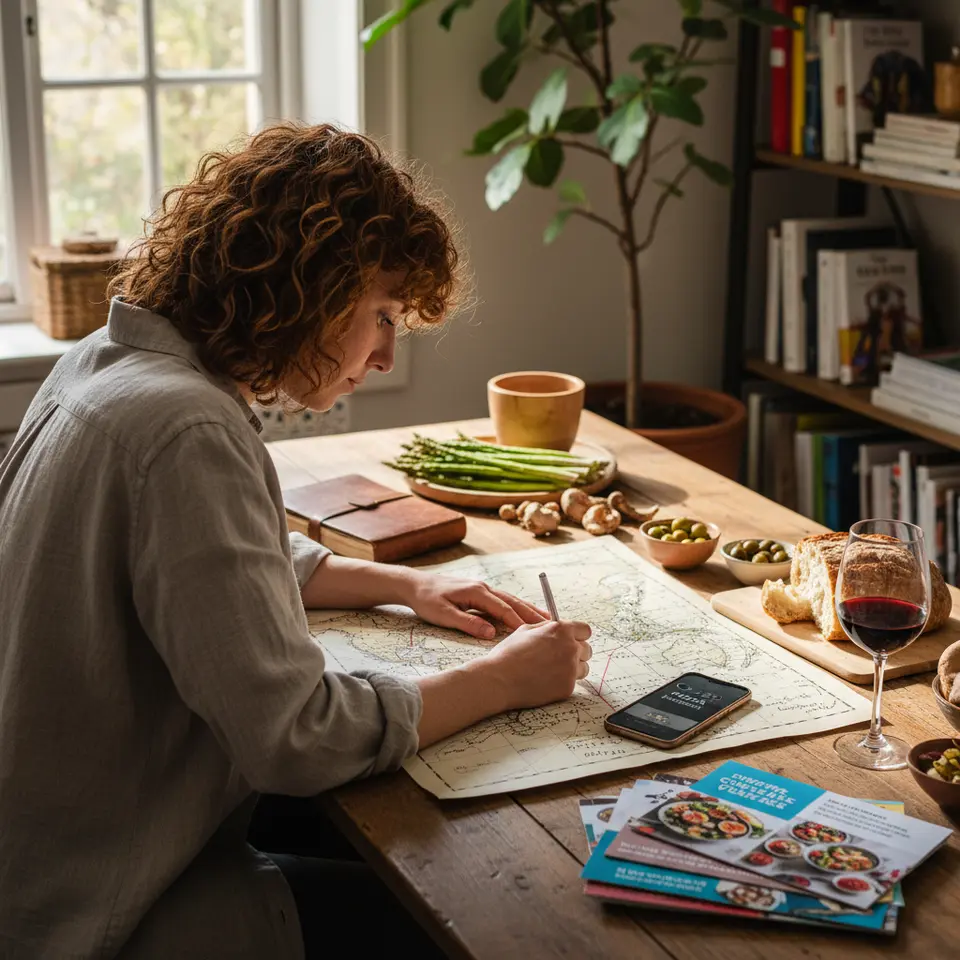
Successful culinary travel begins with research and thoughtful organization. Start by pinpointing flavor profiles that ignite your enthusiasm. Are you intrigued by spicy curries and tangy street snacks, or do you lean toward rich, herb-infused Mediterranean dishes? Make a shortlist of regions renowned for your preferred tastes, then check visa regulations, climate considerations, and travel advisories. Aligning your journey with local food festivals—such as truffle fairs in Italy or seafood feasts in coastal Chile—guarantees encounters with peak-season ingredients and communal celebrations.
Seasonality transforms ordinary meals into extraordinary experiences. Consult government or tourism board calendars for harvest dates and regional specialties. For instance, spring asparagus season in Europe or autumn mushroom foraging events can become central pillars of your itinerary. As you plan, bookmark authoritative sources like the USDA for guidelines on seasonal produce and food safety—especially if you’re sampling raw or minimally cooked items abroad.
Don’t overlook logistics when crafting your gourmet voyage. Map out market visits, cooking class enrollments, and guided food tours in proximity to your lodging. Many local culinary schools offer combined market-and-kitchen experiences, which introduce ingredient selection techniques before translating them into authentic dishes. Secure reservations well ahead, especially in popular destinations or during high-season events. By synchronizing travel dates with regional celebrations and booking key activities early, you’ll maximize your time savoring local flavors without scrambling at the last minute.
Top Culinary Destinations to Explore

Every corner of the globe offers extraordinary cuisine, but certain locales stand out for depth, diversity, and innovation. In Europe, Italy’s regional tapestry dazzles—from handmade pasta in Emilia-Romagna to fresh seafood on the Amalfi Coast. In Japan, current culinary trends coexist with centuries-old traditions like kaiseki multi-course feasts and neighborhood ramen shops. Mexico’s UNESCO-recognized gastronomy reveals layers of indigenous, Spanish, and African influences through mole sauces, fresh ceviche, and mezcal tastings.
Venturing into Southeast Asia unlocks vibrant street-food cultures in Thailand and Vietnam, where intricate balances of sweet, sour, salty, and spicy play out in dishes like green curry and pho. North Africa beckons with aromatic tagines and mint tea ceremonies in Morocco, while Peru’s fusion of Andean ingredients and global techniques has earned Lima a spot among the world’s best dining cities. For seafood aficionados, Scandinavia’s fish markets and Japan’s sushi bars offer unparalleled freshness, and regions like the Pacific Northwest deliver wild salmon, foraged mushrooms, and craft oysters.
When selecting your next destination, weigh accessibility and culinary variety. Urban hubs like Barcelona, Tokyo, and Mexico City boast countless eateries spanning price points, while smaller towns often preserve niche specialties—think farmhouse cheese producers in France or artisanal chocolate workshops in Central America. By combining metropolitan exploration with rural retreats or agritourism stays, you’ll enjoy a comprehensive portrait of local foodways.
Essential Tips for Foodie Travelers

In today’s digital landscape, technology can streamline many aspects of culinary travel. Use mapping apps to bookmark top-reviewed stalls and restaurants, and download language tools for key food vocabulary. Apps like TripAdvisor or local platforms offer real-time feedback; for dietary restrictions, refer to allergen-friendly guides to avoid unwanted surprises. Remember, though, that nothing replaces firsthand recommendations from market vendors, chefs, or fellow travelers you meet along the way.
Health and safety should always come first. Observe where locals dine—busy venues with rapid turnover often signal fresh, safe ingredients. When in doubt, check guidelines from the Centers for Disease Control and Prevention on travel-related food and water precautions. Carry hand sanitizer or portable wipes, and opt for sealed or bottled beverages in areas where tap water may not be reliable. For street-food stalls, look for basic hygiene practices like food stored off the ground, vendors wearing gloves, and separate handling of cash.
Budget-conscious gourmands can balance splurges and savings by mixing high-end tasting menus with casual market meals. Affordable multi-course lunch offerings at fine-dining establishments often mirror dinner quality at a fraction of the price. Book cooking classes or food tours directly through local operators to avoid booking fees, and search for travel forums where food lovers exchange discount codes for lodging, tours, and workshops. Traveling in shoulder seasons not only lowers costs but also reduces crowds, offering a more authentic immersion.
Etiquette, Apps, and Sustainable Practices
Respecting local customs elevates your experience and fosters goodwill. In many Asian cultures, using chopsticks correctly or slurping noodles shows appreciation. In parts of Africa and the Middle East, communal dining traditions emphasize sharing platters and using the right hand. Familiarize yourself with tipping norms—while some destinations include service charges, others consider gratuities a crucial part of hospitality workers’ income.
Digital tools complement cultural knowledge. Currency converter apps ensure you pay fair prices, and translation tools with voice input simplify ordering in busy markets. YouTube channels hosted by regional chefs can provide pre-trip inspiration and foundational cooking techniques, enabling you to participate confidently in home-based cooking classes.
Today’s culinary travelers also embrace sustainable food tourism. Seek out restaurants that purchase ingredients from local farms or cooperatives, and avoid establishments contributing to wildlife depletion or overfishing. Bring reusable utensils, containers, and a water bottle to minimize single-use plastics. Explore community-based tourism programs—like vineyard stays or fishing-village homestays—where your spending directly benefits resident families.
By integrating responsible choices into your journey, you help preserve culinary heritage and environmental health for future visitors. In doing so, you become an advocate for the regions you love, ensuring that these vibrant food traditions endure.
Conclusion
Culinary travel offers more than memorable meals—it fosters a profound connection to people, places, and stories woven into every dish. With purposeful planning, an eye for authenticity, and respect for local norms, you can transform a simple trip into a sensory-rich adventure. From savoring street-food classics to mastering traditional recipes in a rural homestead, each experience enhances your understanding of global cultures.
Embrace the spirit of curiosity, lean into seasonal and local specialties, and use digital resources to enhance—but not replace—personal discovery. By supporting small producers, honoring sustainable methods, and engaging respectfully, you leave positive ripples in every community you visit. Pack your appetite and open your mind: this year is the perfect time to set forth on a culinary travel journey that delights your palate and enriches your worldview.
FAQ
What is culinary travel and why should I try it?
Culinary travel immerses you in local food cultures, offering insights into history, geography, and community traditions. It transforms a standard vacation into a sensory adventure, fostering meaningful connections through shared meals.
How do I choose the best destinations for my food journey?
Start by identifying preferred flavor profiles—spicy, savory, sweet—then research regions celebrated for those tastes. Align your trip with local food festivals or harvest seasons for peak experiences, and balance urban hubs with rural or agritourism stops for diverse insights.
What safety measures should I take when sampling street food?
Opt for busy stalls with high turnover to ensure freshness. Check hygienic practices like vendors wearing gloves and separate handling of cash. Refer to CDC guidelines for water and food precautions, carry hand sanitizer, and choose sealed or bottled beverages where tap water is unreliable.
How can I practice sustainable culinary tourism?
Support family-run eateries and farms, avoid restaurants that contribute to overfishing or wildlife depletion, and bring reusable utensils and water bottles. Participate in community-based programs so your spending benefits local families directly.
What are the benefits of joining cooking classes while traveling?
Cooking classes allow travelers to learn authentic recipes, understand regional ingredients, and connect directly with local chefs or families. These hands-on experiences create lasting memories and practical culinary skills you can recreate at home.
Which countries are most popular for culinary travel?
Destinations like Italy, Japan, Thailand, Mexico, and Peru are famous for rich culinary traditions, vibrant street food, and immersive dining experiences.
How can I save money during culinary travel?
Mix affordable street-food meals with occasional fine-dining experiences, travel during shoulder seasons, and book food tours directly through local providers. Visiting public markets and local eateries also helps reduce overall food expenses.
Why are food festivals important for culinary travelers?
Food festivals showcase seasonal ingredients, cultural traditions, and regional specialties in one place. They often include tastings, cooking demonstrations, music, and community celebrations that create deeper cultural immersion.
How do I handle dietary restrictions while traveling abroad?
Learn important allergy-related phrases in the local language, carry translation cards explaining dietary needs, and research allergy-friendly restaurants before arriving. Translation apps and local recommendations can also help avoid misunderstandings.
What should I pack for a culinary travel adventure?
Bring comfortable walking shoes, reusable utensils, a refillable water bottle, hand sanitizer, portable wipes, and a small first-aid kit. Food travelers may also benefit from carrying a notebook for recipes and local dining recommendations.


I’m Lewis Jude, a digital marketer and content editor passionate about helping businesses grow through smart, actionable strategies. I focus on creating content that simplifies marketing concepts, drives engagement, and delivers measurable results for brands and professionals alike.







No Comments